


.webp)
Discover the must-have features for fashion and apparel mobile apps in 2026. Use AI Fit Intelligence and Visual Discovery to boost conversions, reduce returns, and build lasting customer loyalty.
Shopping habits in fashion are changing fast, and by 2026, a basic mobile app simply won’t cut it.
Today’s shoppers expect speed, personalization, and experiences that feel effortless from the first tap to checkout. They don’t just browse outfits; they want styling inspiration, smart recommendations, and frictionless buying built into one place.
For fashion and apparel brands, a mobile app is no longer just another sales channel. It’s your most powerful touchpoint for discovery, loyalty, and repeat purchases. The brands winning in 2026 are the ones designing apps around how people actually shop on their phones, not how websites used to work.
In this guide, we’ll break down the 10 must-have features every fashion and apparel mobile app needs in 2026 to drive engagement, boost conversions, and keep customers coming back.
Important Features for Fashion and Apparel Brand Mobile Apps
Here are the features we recommend to fashion and apparel brands at Appbrew:
1. Fit Intelligence (Not Just Size Charts)
Traditional size charts assume everybody fits into fixed measurements, but real shoppers don’t. Fit intelligence solves this by combining user body data, garment construction, fabric stretch, and style cuts to predict how a product will actually sit on an individual. Instead of asking users to decode XS, S, or M, the app does the thinking for them.
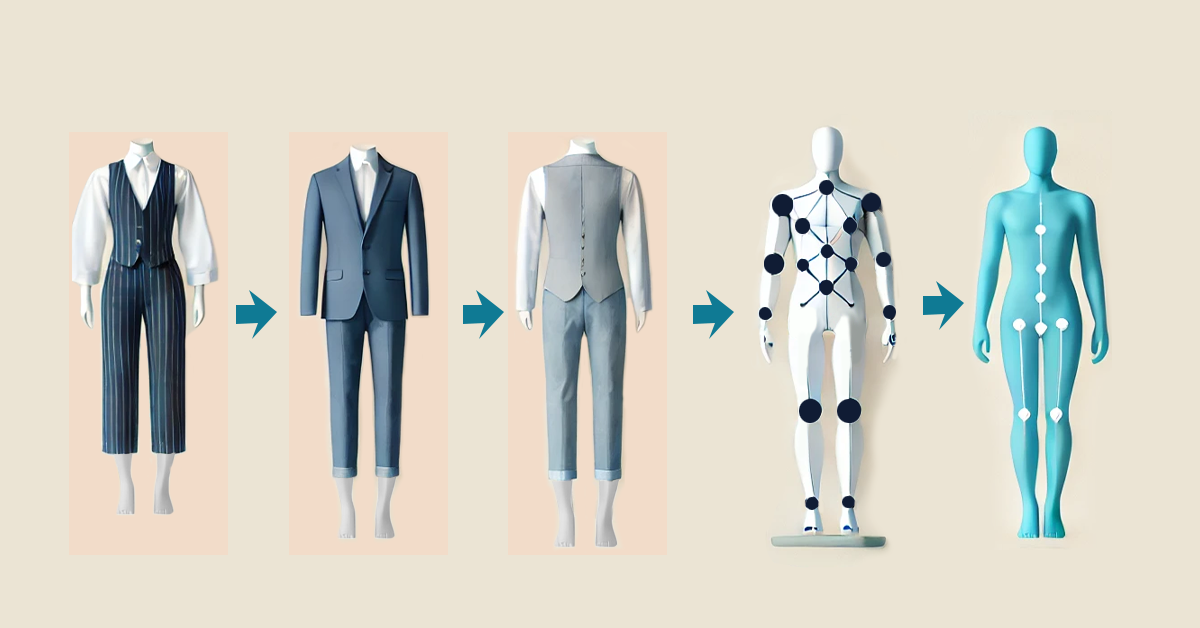
AI fit intelligence features include body-type profiling, height-weight analysis, and contextual guidance such as “size up if you prefer a relaxed fit” or “ideal for athletic builds.” Advanced systems also factor in fabric behavior, how denim loosens over time, or how knits drape differently from woven materials.
What truly sets smart apps apart is continuous learning. By analyzing returns, exchanges, and customer feedback, fit recommendations become more accurate with every purchase.
Why it matters: Fit uncertainty remains the biggest driver of returns in fashion. Strong fit intelligence boosts buyer confidence, improves conversion rates, and significantly reduces costly returns and reverse logistics.
2. Visual-First Discovery Built for Outfits
Fashion is styled, not searched. Most shoppers don’t open a fashion app knowing they want a “black cotton shirt, size M.” They’re looking for inspiration; an outfit for work, a vacation vibe, or something that just feels right. Visual-first discovery taps into this mindset by letting users browse looks instead of listings.
Features like “Shop the Look” and complete outfit bundles mirror how people naturally consume fashion on social media. When users see a fully styled outfit, decision fatigue drops. They no longer have to imagine how pieces work together; the app shows them. This activates visual memory and emotional response, two key drivers of purchase behavior.
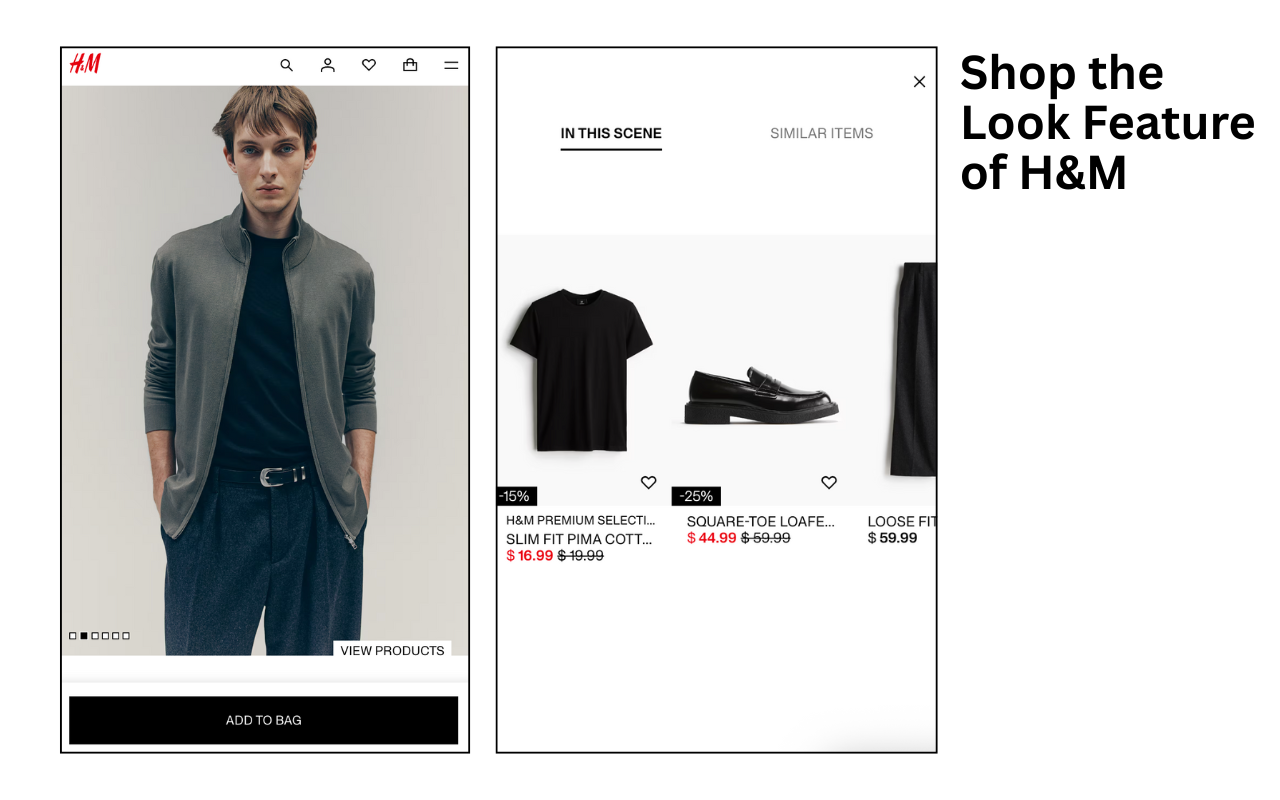
Swipe-based discovery further enhances this experience. Quick, intuitive gestures keep users engaged, encourage exploration, and create a sense of momentum similar to scrolling through Instagram or TikTok.
Meanwhile, occasion-based browsing - such as workwear, vacation, or wedding guest - aligns shopping with real-life needs, making the journey feel personal and purposeful.
Humans process visuals far faster than text, and styled outfits trigger aspiration rather than comparison. By reducing cognitive effort and increasing emotional resonance, visual-first discovery helps users move from inspiration to checkout faster, while increasing average order value through bundled purchases.
3. AI Styling Assistant (Personal Stylist in Your Pocket)
In 2026, basic product recommendations are no longer impressive; they’re expected. What sets leading fashion apps apart is styling intelligence, not generic AI search. An AI styling assistant understands context, not just keywords. Users can ask questions like, “Style this top for a dinner date,” and get complete, wearable looks.
The smartest assistants are closet-aware, suggesting pieces that complement what the shopper already owns, reducing friction and increasing relevance. They’re also budget-aware, offering options within a preferred price range, and trend-aware, balancing personal style with what’s currently in demand.
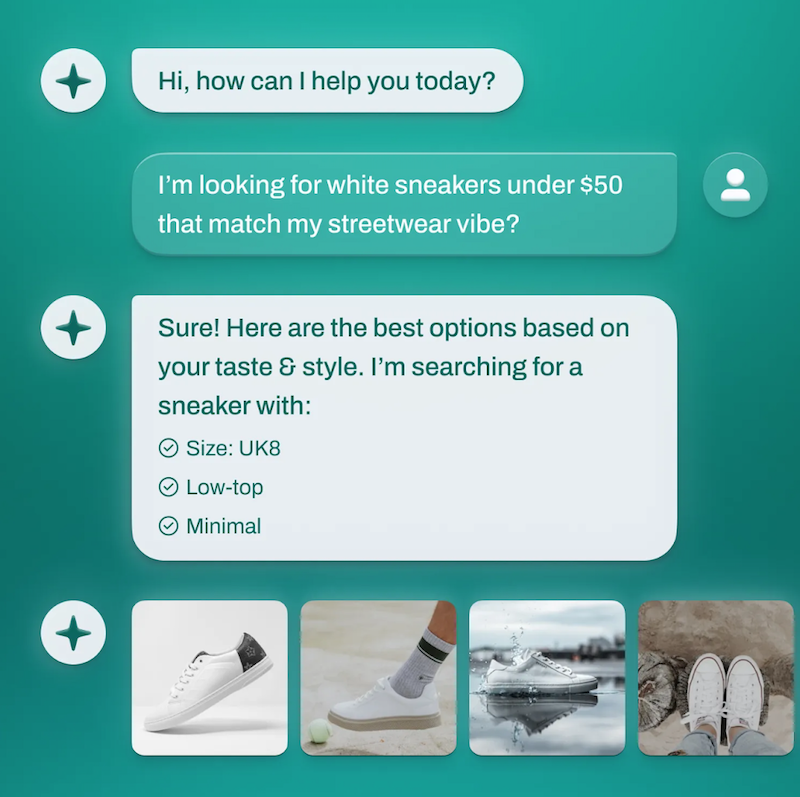
This feels less like shopping and more like getting advice from a stylist who knows you.
Why it matters: When users feel guided, decision anxiety drops. Fewer choices, better combinations, and higher confidence directly lead to improved conversions, AOV, and stronger brand loyalty.
How Appbrew’s AI Concierge Brings Styling to Life
Appbrew’s AI Concierge turns styling advice into a real-time, in-app conversation. Instead of forcing users to filter, scroll, and guess, shoppers can simply ask what they want in natural language; whether it’s putting together an outfit, finding alternatives, or styling a single product for a specific occasion.
Because the concierge is deeply integrated with the brand’s product catalog, it understands availability, pricing, and collections in real time. That means recommendations aren’t generic or aspirational; they’re immediately shoppable and relevant.
Over time, the concierge also learns from user behavior, refining suggestions based on preferences, past purchases, and browsing patterns.
4. Fabric, Feel & Fall Visualization
High-quality images can show color and silhouette, but they still leave shoppers guessing about what truly matters in fashion: how a garment moves, feels, and falls on the body. This gap is where fabric and movement visualization become critical.
Modern fashion apps now go beyond static photos with fabric callouts that highlight stretch, weight, transparency, and drape. Shoppers instantly understand whether a fabric is breathable, stiff, flowy, or body-hugging. Movement-based visuals - models walking, sitting, or turning; add another layer of clarity, helping users predict real-world wear instead of studio perfection.
Contextual styling enhances this further. Showing how a piece looks tucked in, layered under a jacket, or worn oversized removes uncertainty and answers unspoken questions before they become objections.
Appbrew: Fabric, Feel & Fall Visualization at Scale
When you build your fashion and apparel app with a platform like Appbrew, these rich visual experiences become scalable. Appbrew enables seamless video integration directly into the Product Detail Page (PDP), backed by optimized infrastructure that ensures fast load times and smooth playback, even at scale.
Why it works: Nothing communicates texture, fit, and movement better than video. By visualizing what images can’t, brands reduce hesitation, build trust, and drive higher conversion rates while lowering returns.
5. Drop-Ready Infrastructure for Flash Launches
Fashion doesn’t move at a steady pace - it runs on drops. Limited collections, surprise collaborations, and time-bound launches create urgency, excitement, and massive traffic spikes within minutes. To support this, your mobile app needs drop-ready infrastructure, not just a standard storefront.
Features like launch timers, waitlists, and app-exclusive early access build anticipation and reward loyal users. But the real challenge begins when the drop goes live. During hype moments, thousands of users can flood the app simultaneously, and even minor performance issues can translate into lost sales and frustrated customers.
This is where mobile apps consistently outperform the web. Apps are faster, more immersive, and better equipped to handle high-intent traffic during limited releases—if the infrastructure is built for it.
Apps built with Appbrew are designed to handle these high-traffic moments. Its optimized architecture supports smooth performance during flash launches, ensuring fast load times, stable checkouts, and uninterrupted experiences even under heavy demand.
6. Returns & Exchanges Designed for Fashion Reality
In fashion, returns are a part of the buying journey. The problem isn’t returns themselves, but how poorly they’re handled. A modern fashion app treats returns as an opportunity to retain revenue and improve future purchases.
Instead of pushing users toward refunds, apps should enable one-tap size exchanges, making it easier to get the right fit without abandoning the purchase. Smart return reasons, like “too tight at the waist” or “fabric felt heavier than expected”, don’t just streamline the process; they feed directly into your fit intelligence engine.
Offering instant store credits through an in-app wallet is another powerful lever. When shoppers choose wallet credits over refunds, the money stays within your ecosystem, acting as a soft guarantee of the sale.
Why it matters: Faster, frictionless returns build trust, while exchanges and wallet credits recover revenue, increase repeat purchases, and turn a traditionally costly process into a competitive advantage.
7. Loyalty That Feels Like Insider Access
Shoppers want to feel like insiders, not just repeat buyers. The most effective loyalty programs shift from transactional rewards to experiential value that makes users feel chosen.
Tiered access to collections lets loyal customers shop new drops before the public. App-only colorways or exclusive SKUs create scarcity and give users a reason to keep the app installed and notifications on.
Beyond products, loyalty can unlock styling perks like early trend edits, personalized lookbooks, or one-on-one AI styling sessions. Simple moments such as birthday edits, VIP drops, or surprise access to limited pieces deepen emotional connection with the brand.
Why it matters: Insider-style loyalty increases retention, boosts lifetime value, and reduces price sensitivity. When customers feel part of an inner circle, they shop more frequently, spend more confidently, and advocate for the brand—turning loyalty into long-term growth.
8. User-Generated Styling & Social Proof
Shoppers trust people, not polished product shots. In fashion, seeing how real customers wear a piece carries far more weight than studio images ever can. User-generated styling turns your app into a living lookbook built on authenticity.
Features like customer photos tagged by body type, height, and size help shoppers instantly visualize how a garment might look on them. “Styled by customers like you” feeds add relatability and reduce uncertainty, especially for first-time buyers.
Reviews also evolve beyond star ratings - focusing on fit, comfort, fabric feel, and real wear-use cases like office days, long events, or travel. This kind of social proof reassures a purchase.
With platforms like Appbrew, brands can seamlessly integrate user-generated content directly into the app experience, embedding photos, videos, and reviews into product pages and discovery feeds without performance trade-offs.
9. Hyper-Personalized Push & In-App Stories
The right message at the wrong time gets ignored, while the right message at the right moment drives instant action. That’s why hyper-personalized push notifications and in-app stories outperform generic campaigns every time.
High-impact triggers include back-in-stock alerts by size, price-drop notifications for wishlisted items, and drop reminders based on browsing or outfit views. These messages feel helpful, not promotional, because they’re tied directly to user intent.
The critical shift is moving away from mass blasts. Generic notifications quickly lead to fatigue and uninstalls, especially in fashion.
Platforms like Appbrew enable brands to build trigger-based automations and custom journeys, ensuring every push or story is context-aware, behavior-driven, and relevant.
Why it matters: Personalized notifications cut through noise, boost engagement, and bring high-intent users back into the app, right when they’re most likely to convert.
10. Fashion-Specific Analytics
Generic eCommerce dashboards weren’t built for fashion. Metrics like total sales or traffic tell you what happened, but not why. Fashion teams need analytics that reflect how apparel is actually bought, worn, and returned.
This starts with size-level conversion and return rates. Knowing that a product sells well isn’t enough; teams need to see which sizes convert, which sizes get returned, and where fit breaks down. Style-level performance across cohorts adds another layer, revealing how the same product performs across genders, body types, regions, or loyalty tiers.
For drop-driven brands, drop performance and post-launch decay are critical. Understanding peak demand, sell-through velocity, and how quickly interest tapers off helps teams plan restocks, remarketing, and future launches more intelligently.
Most apps still rely on shallow, web-style analytics, missing these nuances entirely. But the more granular the insights you extract from your app, the better your decisions become, across design, merchandising, and inventory.
And importantly, apps naturally unlock richer data than web stores. With deeper behavioral tracking and user context, fashion apps become not just sales channels, but strategic intelligence engines for long-term growth.
Bonus: Advanced Features for Fashion and Apparel Brand Mobile Apps (2026)
What feels “advanced” today will feel expected tomorrow. As shopper expectations evolve, certain fashion app features are quickly moving from differentiators to baseline requirements. By 2026, brands that don’t support these experiences will struggle to earn trust, scale globally, or compete with digitally native players.
1. Sustainability and Material Transparency
Modern shoppers (especially Gen Z and Gen Alpha) want to know what they’re buying and what it stands for. Sustainability is no longer a brand story; it’s a product-level expectation. Apps must surface material sourcing, fabric composition, care impact, recyclability, and ethical certifications directly on the PDP. Clear transparency builds trust, reduces post-purchase regret, and helps conscious shoppers make faster decisions without leaving the app to “research.”
2. Omnichannel Fashion Journeys (Buy Online, Return Anywhere)
Fashion shopping no longer happens in silos. Customers expect to browse on the app, buy online, pick up in-store, and return from anywhere without friction. Seamless omnichannel journeys unify inventory, orders, and returns across touchpoints, making the brand feel consistent, flexible, and customer-first. When the experience flows effortlessly, loyalty follows.
3. International Sizing Normalization
As fashion brands expand globally, inconsistent sizing becomes a massive barrier. International sizing normalization helps shoppers understand fit across regions, converting US, UK, EU, and local size systems into a single, confidence-driven recommendation. This reduces confusion, lowers returns, and makes global shopping feel local, intuitive, and inclusive.
Why Fashion Brands Are Doubling Down on Mobile Apps in 2026
In 2026, fashion brands aren’t investing in mobile apps for visibility; they’re doing it for control, loyalty, and long-term growth. As competition intensifies and acquisition costs rise, apps have become the most powerful owned channel in a brand’s ecosystem.
First, apps significantly reduce returns. Through fit intelligence, personalization, size-aware recommendations, and post-purchase learning, apps help shoppers make better decisions upfront. Fewer guesswork purchases mean fewer returns, lower reverse logistics costs, and higher customer satisfaction—something marketplaces simply can’t optimize at a brand level.
Second, apps create brand gravity beyond marketplaces. While marketplaces are built for comparison, apps are built for connection. They allow brands to own the entire experience—from discovery and storytelling to drops, exclusives, and community. This creates emotional stickiness that keeps customers coming back to the brand, not bouncing between competitors.
Finally, apps turn customers into repeat buyers, not one-time shoppers. With loyalty layers, personalized pushes, wallet credits, and app-only access, brands build habits—not just transactions. Over time, the app becomes the default place customers return to for inspiration, new drops, and styling guidance.
Appbrew Enables Every Feature You Want for Your Fashion and Apparel Mobile App
The fashion apps that win in 2026 won’t be the ones with the most features; they’ll be the ones that remove the most friction. Winning apps reduce fit anxiety, simplify styling decisions, and eliminate decision fatigue at every step of the journey. They make shopping feel intuitive, visual, and confidence-driven, exactly how people actually shop for clothes.
This is where Appbrew comes in. Appbrew is purpose-built for fashion and apparel brands that want to move fast, scale confidently, and deliver premium app experiences without engineering complexity. From fit intelligence and rich PDP videos to drop-ready infrastructure, personalization, UGC, loyalty, and advanced analytics, Appbrew enables every feature modern fashion apps need, all on an optimized, high-performance foundation.
More importantly, Appbrew helps brands shift their mindset. The future belongs to fashion companies that treat their mobile app as the primary shopping experience, not a side channel to their website or marketplaces.
If you’re serious about higher conversions, lower returns, and stronger customer loyalty, your app needs to be designed for how people actually discover, style, and buy fashion today.
Build a fashion app designed for how people actually shop for clothes. Book a demo with Appbrew and see what’s possible.