


.webp)
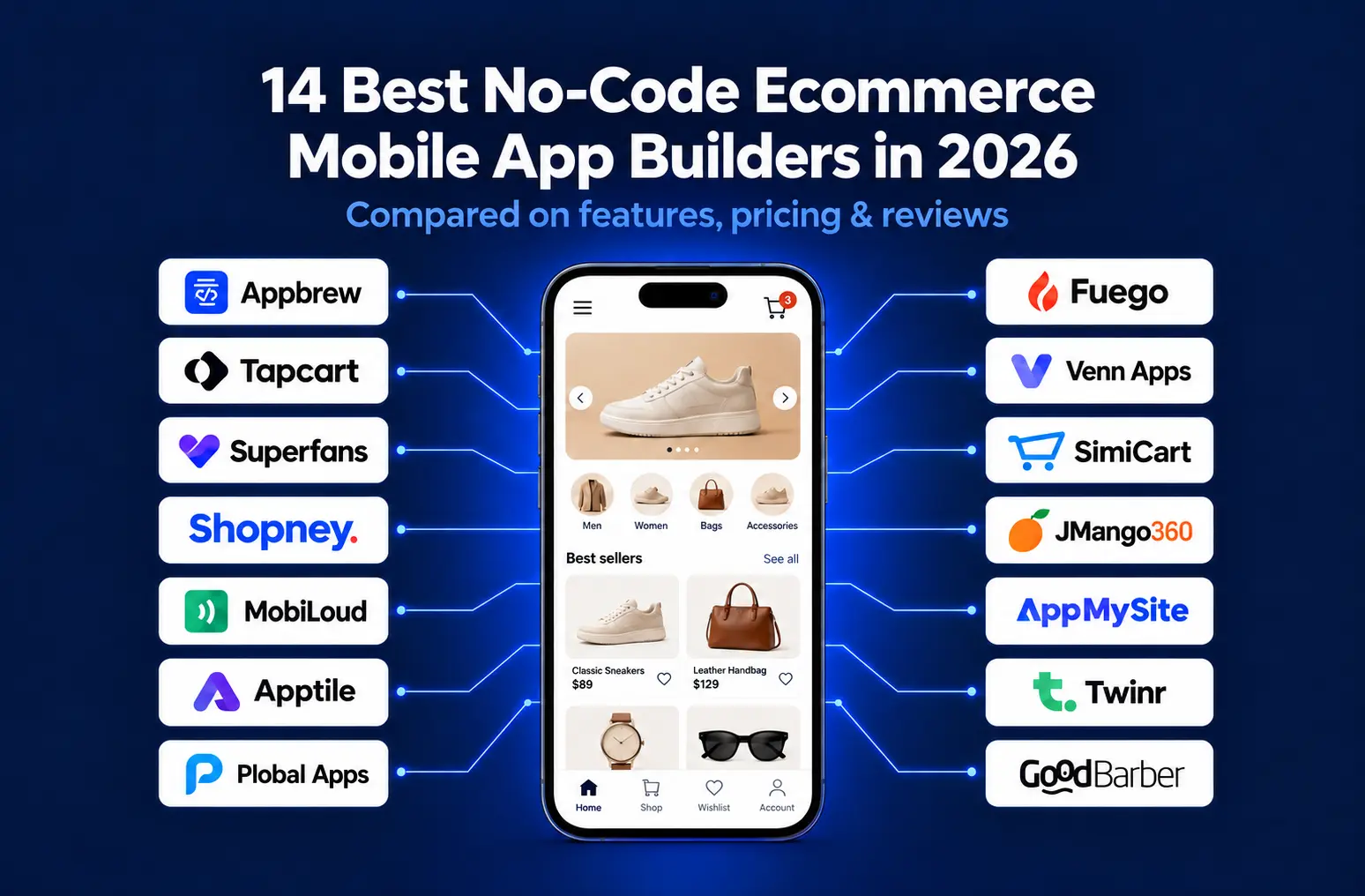
Discover the 10 must-have features for your 2026 skincare & beauty mobile app. Use AI skin analysis, personalized routines, and ingredient intelligence to build trust and drive long-term growth.
Skincare and beauty apps in 2026 can’t exist just to mirror your eCommerce store. If there’s no real incentive to download your app, most customers will simply shop through your website instead. A mobile app has to earn its place on a customer’s phone by offering something meaningfully better.
That’s especially true for skincare. Unlike many other categories, skincare is science-led, trust-based, and deeply routine-driven. Customers aren’t just buying a product; they’re committing to ingredients, usage timelines, and expected results. This means beauty shoppers don’t just need more products; they need guidance, clarity, and confidence at every step.
The most successful skincare apps in 2026 focus on education, smart personalization, and long-term outcomes. They help users understand what to use, why it works, and how to stay consistent over time.
In this blog, we’ll break down the 10 must-have features that turn a skincare app into a trusted daily companion, not just another shopping channel.
Must-have features for skincare and beauty brand mobile app
Here’s what we see successful apps set up:
1. AI Skin Analysis & Condition Tracking
AI-powered skin analysis has become the foundation of modern skincare and beauty apps. Instead of asking users to self-diagnose or guess what might work, leading apps now use AI-driven skin scans to identify concerns such as acne, pigmentation, uneven texture, fine lines, and sensitivity. This shifts the experience from generic browsing to data-backed recommendations from the very first interaction.
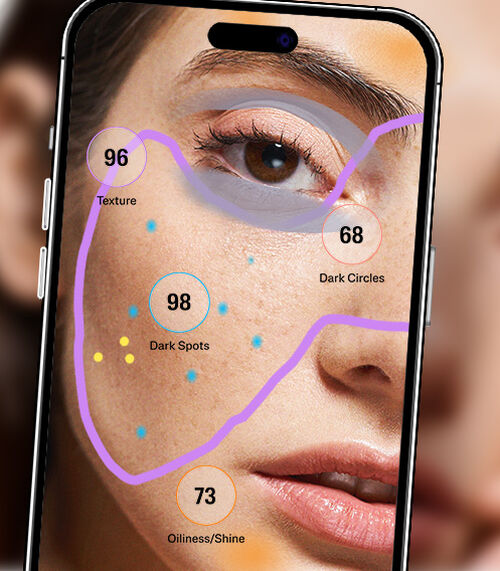
But analysis alone isn’t enough. What sets strong beauty apps apart in 2026 is continuous condition tracking. Users can compare before-and-after scans, view trend lines over weeks or months, and understand whether a routine is actually improving their skin. This long-term view builds trust and keeps users engaged beyond a single purchase cycle.
Advanced apps also layer in environmental and lifestyle context. Factors like weather changes, pollution levels, stress, and sleep patterns can significantly impact skin health. By accounting for these variables, apps deliver guidance that feels relevant and realistic, not static.
This is exactly where Appbrew’s AI Skin Analyser stands out. Used by top beauty and skincare brands, it delivers accurate skin assessments, ongoing progress tracking, and personalized product guidance directly inside the app. The result is a more informed customer, better routine adherence, and a markedly stronger skincare experience rooted in diagnosis.
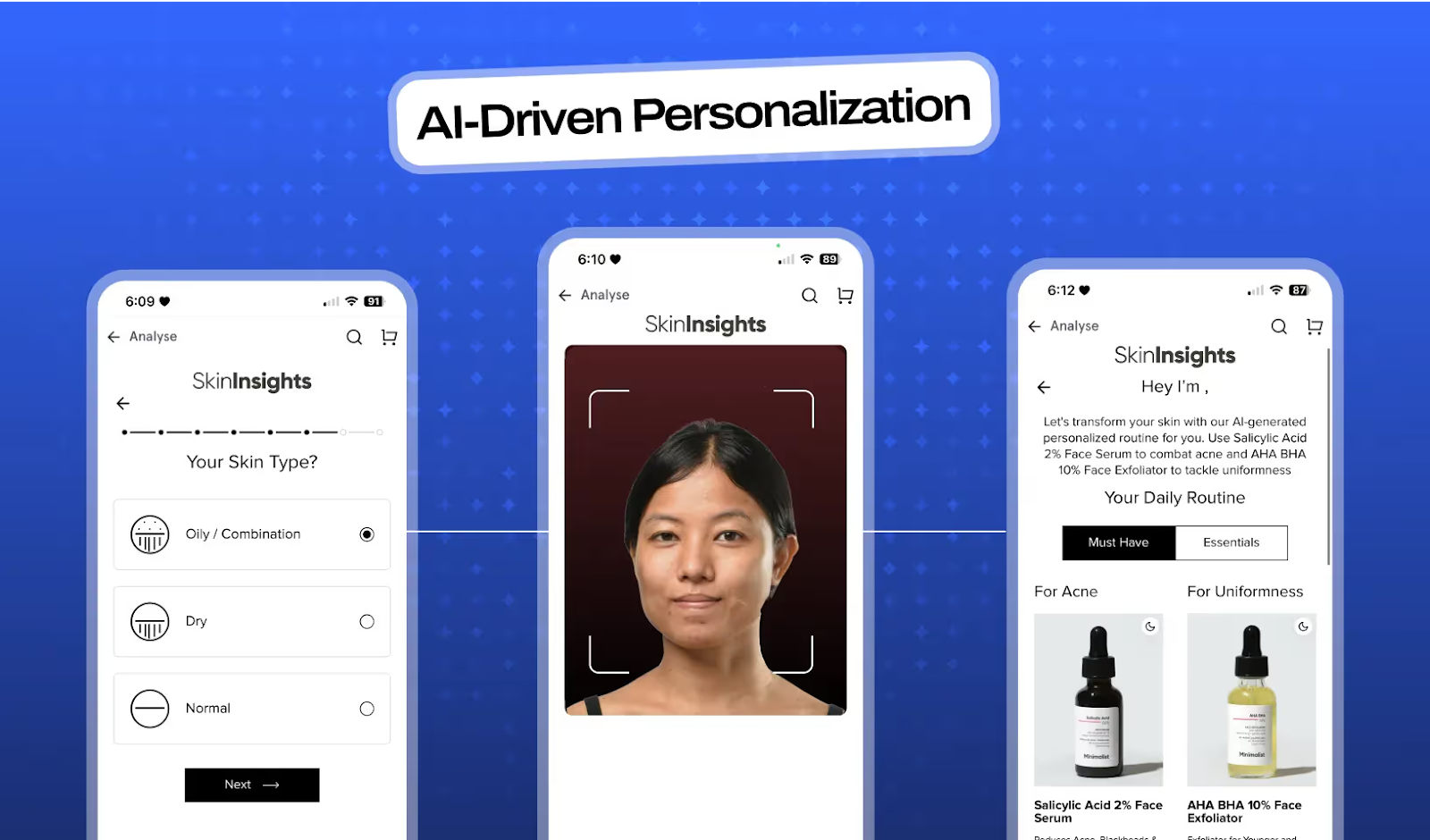
2. Personalized Skincare Routines (AM/PM, Weekly, Seasonal)
Products alone don’t deliver results; routines do. And it’s the routine of customers that allows brands to build a predictable revenue stream and reduce their CAC. In 2026, skincare apps are expected to guide users through exactly how and when to use each product, not just recommend what to buy.
Personalized AM and PM routines tailored to skin type, concerns, and goals help remove confusion and reduce misuse.
The best apps also account for change. Seasonal routine adjustments address winter dryness, summer oil control, humidity, and sun exposure, ensuring users don’t stick to routines that no longer serve their skin. Weekly add-ons like exfoliation or treatment days add structure without overwhelming the user.
Clear product layering order and wait-time guidance further improve outcomes. By telling users what to apply first, how long to wait, and what not to mix, beauty apps move from being transactional to instructional, helping customers achieve consistent, visible results over time.
3. Ingredient Intelligence & Transparency Engine
Modern beauty buyers don’t just glance at labels; they research well around them. In 2026, skincare apps are expected to translate complex ingredient lists into clear, usable intelligence that builds trust and removes hesitation at the point of decision. An ingredient intelligence engine breaks down each formula into key actives, explaining what they do, how they work, and whether they’re safe for specific skin types or life stages.
Conflict alerts are critical. Smart skincare apps flag ingredient interactions, warn against over-layering actives, and highlight pregnancy-safe or sensitivity-friendly formulations. This reduces adverse reactions and reassures users that the brand is prioritizing skin health.
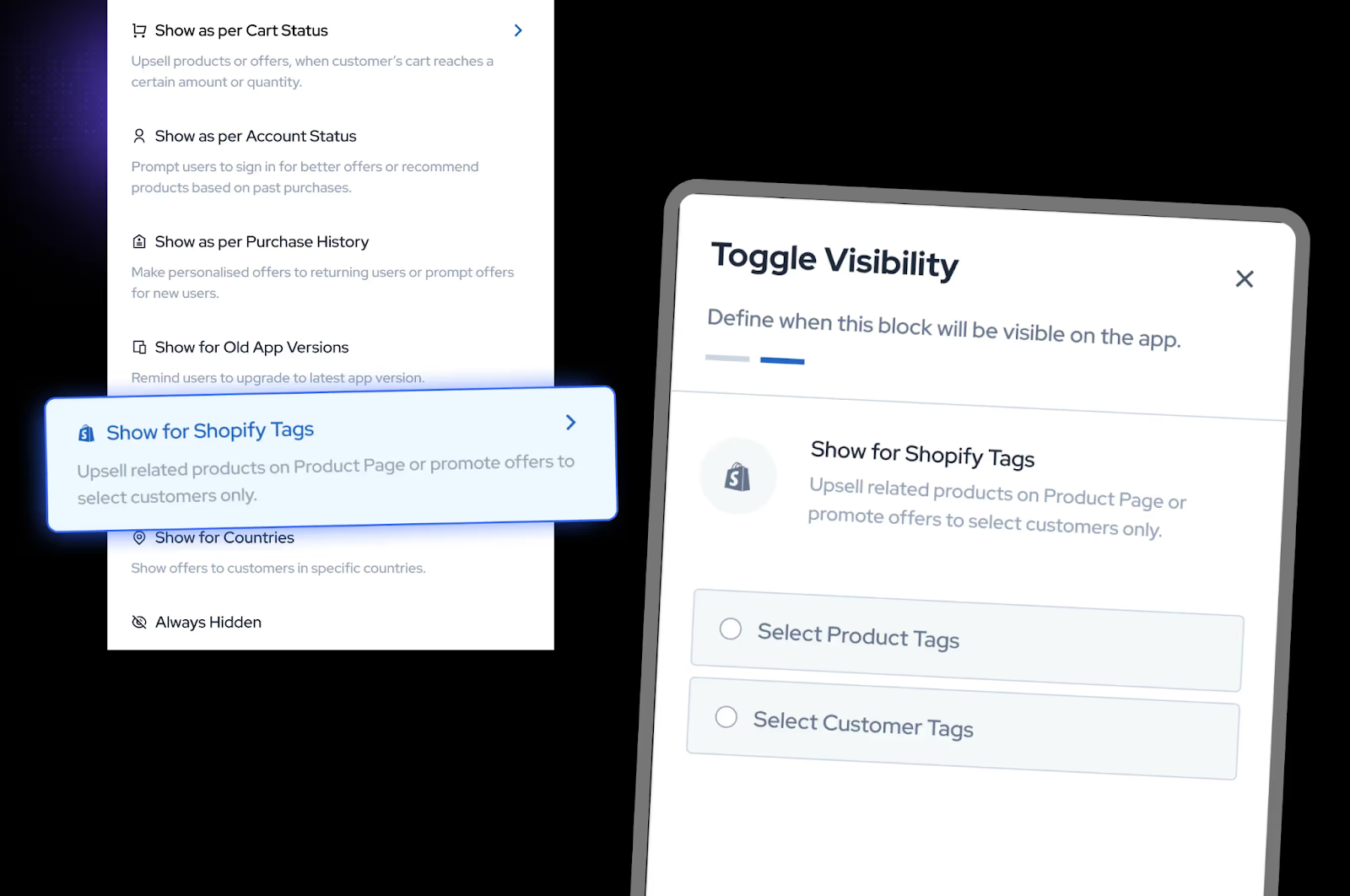
What elevates the experience further is personalization. A “why this works for you” layer connects ingredient benefits directly to the user’s skin concerns, goals, and current routine. On top of this, Shopify tags can power intelligent product recommendations, surfacing complementary or upgrade products based on ingredient compatibility. The result is higher confidence, smarter bundles, and a measurable lift in AOV without feeling pushy.
4. AI Beauty Concierge (Ask, Learn, Decide)
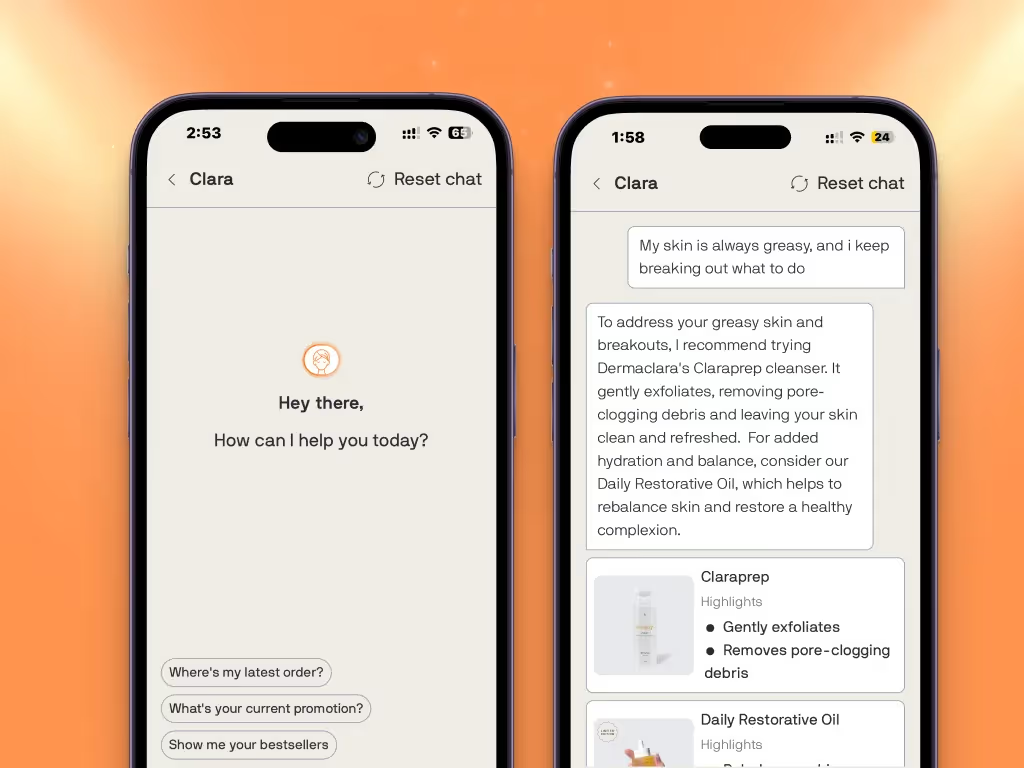
In 2026, the way customers discover skincare has shifted from search bars to conversations. Instead of scrolling through categories or filtering by ingredients, users now ask natural, real-world questions like “What helps hormonal acne?” or “Why is my skin breaking out even with a routine?” An AI beauty concierge transforms the app into a consultative experience; one that listens, understands context, and responds with relevance.
This concierge guides users through product discovery using their skin analysis, current routine, lifestyle factors, and goals. Recommendations aren’t generic bestsellers; they’re tailored suggestions backed by data and timing. Just as importantly, the AI explains why a product or ingredient is being suggested, grounding every answer in the brand’s formulations and philosophy. This builds credibility and reduces decision fatigue.
The key distinction is simple but powerful: this is consultation, not keyword search. Users aren’t hunting for products; they’re being guided toward decisions with confidence.
Appbrew’s AI Concierge in Action
Appbrew’s AI-powered concierge has helped brands like Dermaclara personalize every customer interaction. Clara delivers real-time, personalized skincare recommendations while handling support queries seamlessly, boosting both conversions and retention. Native subscription management removes friction from recurring orders, increasing lifetime value. Combined with unified analytics, loyalty dashboards, reviews, and rewards, Appbrew turns the concierge into a growth engine, not just a chatbot.
5. Shade Matching & Virtual Try-Ons (Where Applicable)
For makeup and hybrid skincare products, shade accuracy is non-negotiable. In 2026, beauty apps are expected to eliminate guesswork through camera-based shade matching that accounts for undertones, lighting conditions, and skin depth.
Instead of relying on static swatches or shade names, users receive data-backed recommendations for foundations, concealers, tinted serums, and complexion products that truly match their skin.
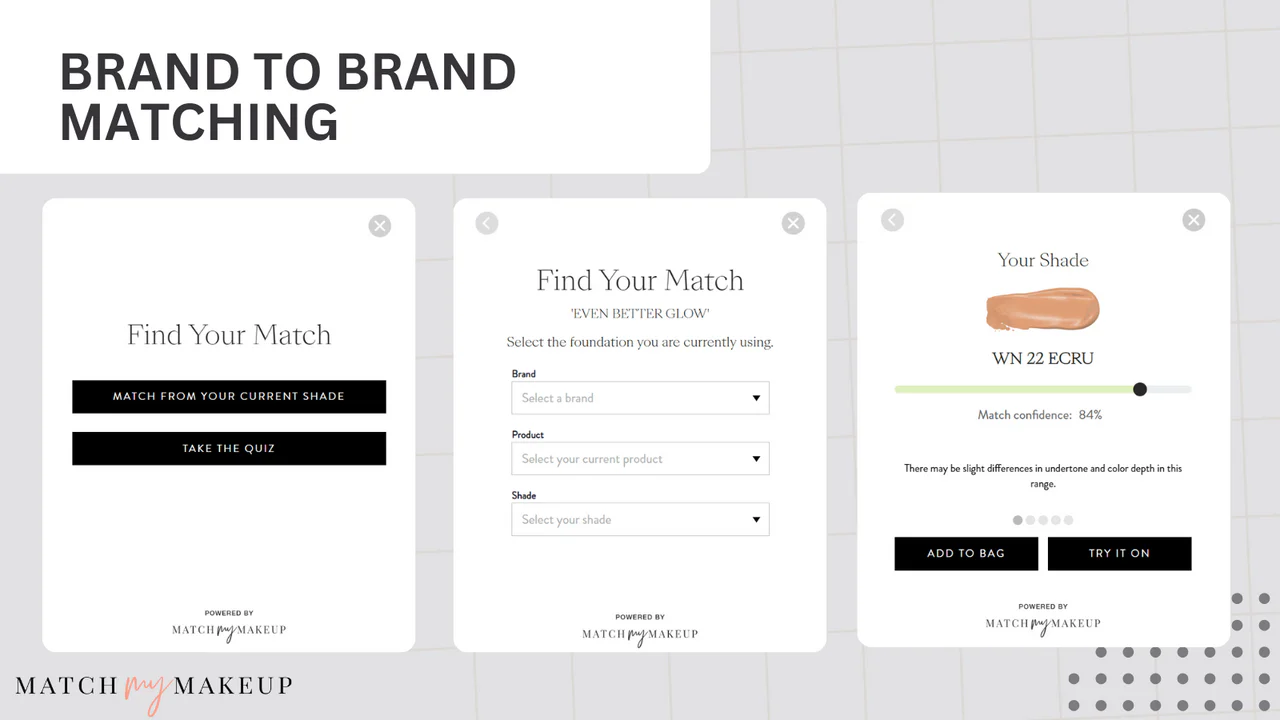
Virtual try-ons further reduce purchase anxiety. By previewing lip tints, blushes, and finishes in real time, customers can see how products look on their own face before committing.
Confidence scoring adds another layer of assurance, indicating how strong a match is and whether a shade sits within a safe or experimental range for the user.
These experiences work best inside a native skincare and beauty mobile app. Native apps unlock full access to the phone’s camera, processing power, and sensors, enabling faster, more accurate analysis than web-based tools. The result is fewer returns, higher conversion rates, and a buying experience rooted in visual confidence rather than trial and error.
6. Regimen Reminders & Habit Formation
Push notifications in skincare apps aren’t just sales tools, they’re experience builders. In 2026, the most effective beauty apps use notifications to help users stay consistent, because results don’t come from one-time purchases; they come from routine adherence. Thoughtful reminders keep the brand top of mind while delivering real value, increasing the likelihood of repeat purchases naturally over time.
Smart AM and PM reminders guide users on what to apply and when, removing friction from daily routines. Product usage tracking and refill alerts ensure customers never run out mid-regimen, while streaks and gentle progress nudges encourage consistency without feeling intrusive or spammy.
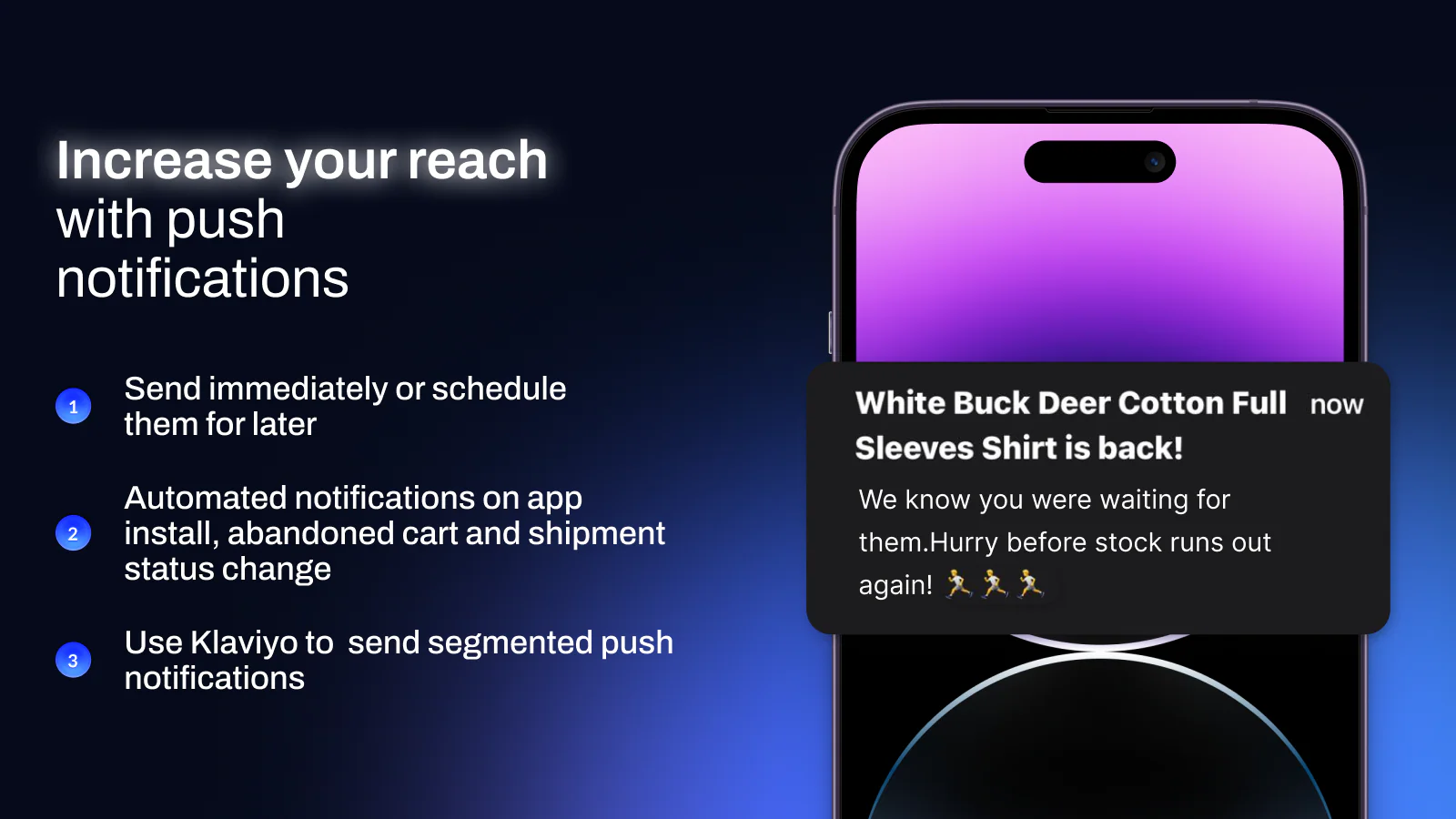
Appbrew’s push notification system takes this a step further with customer-level personalization. Based on a user’s skin analysis and past purchases, brands can create tailored routines; even for complex product combinations.
As customers interact with reminders and recommendations, built-in analytics continuously refine what works. The system learns, adapts, and improves over time, leading to better engagement, stronger habits, and visibly better skincare results, without overwhelming the user.
7. Reviews That Focus on Skin Outcomes (Not Just Ratings)
Star ratings alone don’t explain whether a product will work for your skin. In 2026, high-impact skincare apps organize reviews by skin type, concern, and age group, making feedback instantly relevant instead of overwhelming.
Before-and-after uploads with visible timelines help set realistic expectations around results, reducing disappointment and returns. Structured prompts like “Worked for me because…” encourage meaningful insights into texture, tolerance, and long-term benefits, rather than vague praise.
When seamlessly embedded across product pages, routines, and recommendations, these outcome-led testimonials become decision aids, not distractions. By surfacing the right reviews at the right moment, apps reinforce confidence, validate personalization, and help users move from hesitation to purchase with clarity.
8. Compliance, Claims & Safety by Design
Beauty apps in 2026 cannot afford misinformation, especially in a category where trust directly impacts health outcomes. Regulatory compliance must be built into the product experience, not added as an afterthought. Leading skincare apps adapt content and claims based on region-specific regulations, aligning with FDA, EU, and other local standards automatically.
Claim substantiation is critical. Apps clearly distinguish between cosmetic benefits, clinical claims, and educational guidance, supported by ingredient disclaimers where required. This transparency protects both the brand and the customer.
Safety features go even further with allergy alerts and contraindication warnings tied to skin analysis, ingredient sensitivity, pregnancy status, or active treatments. By proactively flagging risks before purchase or use, beauty apps reinforce credibility, reduce liability, and position the brand as a responsible skincare authority rather than just a seller.
9. Loyalty Built Around Results, Not Discounts
In skincare, long-term value comes from repeat usage, not one-time orders driven by discounts. In 2026, the strongest beauty apps design loyalty programs around outcomes and consistency rather than price cuts. Customers are rewarded for sticking to routines, completing treatment cycles, and showing progress over time, reinforcing habits that actually deliver results.
Routine completion rewards encourage adherence while subtly increasing product replenishment. Early access to reformulations, limited launches, or upgraded formulas makes loyal users feel like insiders, not bargain hunters. Education-first perks, such as expert-led sessions, skin clinics, or exclusive skincare guides, add tangible value without eroding margins.
By aligning loyalty with progress and knowledge, beauty apps build emotional investment and trust. The brand becomes a long-term skincare partner, not a transactional store—driving higher lifetime value and more sustainable growth.
10. Beauty-Specific Analytics & Feedback Loops
Generic eCommerce metrics don’t explain why skincare succeeds or fails. In 2026, beauty brands need analytics designed around outcomes, not just transactions. The most important signal to track is routine adherence versus results, understanding whether customers are using products correctly and consistently, and how that correlates with visible improvement.
Product effectiveness by skin cohort adds another critical layer. By analyzing performance across skin types, concerns, age groups, and climates, brands can identify which formulations truly work for whom.
Equally important is churn analysis tied to outcomes. When customers stop engaging, beauty-specific analytics reveal whether drop-off is linked to lack of visible results, incorrect routines, or unrealistic expectations. These feedback loops allow brands to intervene early, adjusting guidance, routines, or education, turning potential churn into long-term retention and smarter product decisions.
Bonus: Advanced Skincare & Beauty Brand Mobile App Features for 2026
By 2026, certain features will no longer be considered differentiators in skincare and beauty apps, they’ll be baseline expectations. Brands that fail to deliver on these fundamentals risk feeling outdated or out of touch, especially with increasingly informed, global, and values-driven consumers.
1. Sustainability and Clean Beauty Transparency
Sustainability will move from marketing messaging to product-level accountability. Users will expect clear visibility into ingredient sourcing, cruelty-free and vegan certifications, packaging recyclability, and carbon impact. Clean beauty claims will need context and proof, not buzzwords. Apps that surface this information clearly, without greenwashing, will earn deeper trust and stronger brand affinity.
2. Cross-Category Recommendations (Skin → Makeup → Hair)
Beauty routines don’t exist in silos. Skincare influences makeup performance, and scalp health impacts hair outcomes. In 2026, apps must intelligently connect these categories, recommending makeup that complements a user’s skin condition or hair products aligned with scalp analysis. Cross-category guidance increases relevance, improves results, and naturally drives higher AOV through smarter discovery.
3. Multilingual Education and Localization
As beauty brands scale globally, localized education becomes essential. Users expect routines, ingredient explanations, and safety guidance in their preferred language, adapted to local climates, skin concerns, and cultural habits. Multilingual support isn’t just about translation; it’s about relevance. Apps that localize intelligently unlock wider adoption, better engagement, and true global loyalty.
Why Beauty Brands Are Investing in Mobile Apps in 2026
In 2026, beauty brands are no longer investing in mobile apps just to add another sales channel, they’re building them to reshape how customers experience skincare. Unlike websites or marketplaces, apps turn skincare into a guided journey rather than a gamble. From diagnosis to routines, reminders, and progress tracking, apps help users understand what to use, how to use it, and what results to expect. This guidance reduces trial-and-error fatigue and builds long-term trust in the brand.
Mobile apps also unlock first-party data at a depth that other channels can’t match. Skin analysis results, routine adherence, ingredient preferences, and outcome feedback allow brands to personalize experiences safely and responsibly, without relying on third-party cookies or opaque ad platforms. This data fuels smarter recommendations, better product development, and more relevant communication, all while respecting user consent and transparency.
Most importantly, apps create daily engagement, not just transactional visits. Skincare is a habit, not an event, and mobile apps are uniquely positioned to support that habit through routines, education, and timely nudges. Instead of showing up only during a sale or replenishment cycle, brands become part of the user’s daily life. This consistent presence increases retention, improves lifetime value, and transforms customers from one-time buyers into long-term skincare loyalists.
Conclusion
The beauty apps that win in 2026 don’t behave like digital storefronts, they function like always-on skin clinics. They diagnose, educate, guide, and track progress over time, helping customers achieve real results instead of guessing their way through products. This shift is redefining long-term brand value, where trust, consistency, and outcomes matter far more than discounts or impulse purchases.
Appbrew is built specifically to power this new generation of skincare and beauty apps. From AI skin analysis and personalized routines to ingredient intelligence, smart push notifications, loyalty, and beauty-specific analytics, Appbrew enables every feature discussed in this guide, natively and at scale. Brands can unify commerce, education, and consultation into one seamless mobile experience that feels personal to every user.
By owning the app experience, beauty brands gain deeper first-party data, stronger customer relationships, and predictable, habit-driven growth. Instead of competing for attention, they earn a permanent place in their customers’ daily routines.
Book a demo with Appbrew and see how leading beauty brands are turning apps into their most powerful growth channel.