


.webp)
Learn the seven key features from the IKEA eCommerce mobile app, like AR visualization, seamless omnichannel integration, and personalized recommendations to build a high-converting, friction-free app for your Shopify brand.
IKEA operates at a massive global scale, serving millions of customers across physical stores, websites, and mobile. To support this, it has built a mobile app that delivers a tightly connected omnichannel experience.
The app brings product discovery, room planning, inventory visibility, online ordering, and in-store navigation into one consistent journey. Every feature solves a real customer problem and reduces friction between digital and physical touchpoints.
IKEA treats its app as a core commerce channel, not a support tool. That mindset shows in how the app drives engagement, conversion, and repeat usage.
In this blog, we break down 7 things you can learn from the IKEA eCommerce mobile app and explain how these ideas translate into practical decisions for building a high-performing eCommerce app for your own brand.
Let’s dive right in!
TL;DR
- IKEA’s mobile app sets the benchmark for omnichannel eCommerce by connecting discovery, planning, online shopping, and in-store experiences.
- Features like AR visualization reduce buying uncertainty and significantly improve conversion rates.
- Intuitive navigation and best-in-class search make product discovery fast and frictionless.
- Personalized recommendations keep users engaged and increase the likelihood of purchase over time.
- Seamless in-store integration enables mobile checkout and real-time inventory visibility.
- High-quality visuals, Shop the Look, and interactive UGC drive higher AOV and confidence.
- Streamlined checkout, wishlists, and loyalty programs boost retention and repeat purchases.
- Platforms like Appbrew help you build an app with all these capabilities, plus faster checkout, better conversions, and deeper mobile-first features.
Best Features of IKEA that Your eCommerce App Should Also Have
Here are the key features of IKEA’s mobile app that you can take inspiration from and add to your own eCommerce mobile app:
1. Augmented Reality Visualization
IKEA’s most powerful app feature is its augmented reality (AR) visualization, and it directly addresses the biggest friction in furniture shopping: uncertainty. Customers want to know whether a sofa fits the space, whether a table blocks movement, or whether a color works with existing furniture. IKEA’s AR feature solves this by letting users place true-to-scale 3D products inside their real rooms using their phone camera.
The mobile app pulls accurate product dimensions, materials, and variants from IKEA’s backend and renders them in real time. This ensures what users see closely matches what they receive. Customers can move, rotate, and compare products in their space before making a decision. That clarity reduces hesitation, lowers returns, and builds confidence.
.webp)
AR also shortens the purchase journey. Instead of switching between measuring tape, images, and mental math, users get instant visual confirmation. The feature works especially well for high-consideration items like sofas, beds, and storage units, where mistakes are expensive.
The lesson for eCommerce brands is simple: immersive visualization increases trust. When a mobile app helps customers “see before they buy,” it removes doubt and accelerates conversions. IKEA uses AR not as a marketing gimmick, but as a practical decision-making tool and that’s why it works.
2. Intuitive Navigation and Search
IKEA’s app navigation feels effortless because it relies on strong backend structure and disciplined UI decisions. Product categories, attributes, availability, and room mappings stay consistently organized behind the scenes. This allows the front-end navigation to remain clean, predictable, and fast.
Buttons appear exactly where users expect them - primary actions stay within thumb reach, secondary actions stay visible but unobtrusive, and visual hierarchy guides attention without confusion.
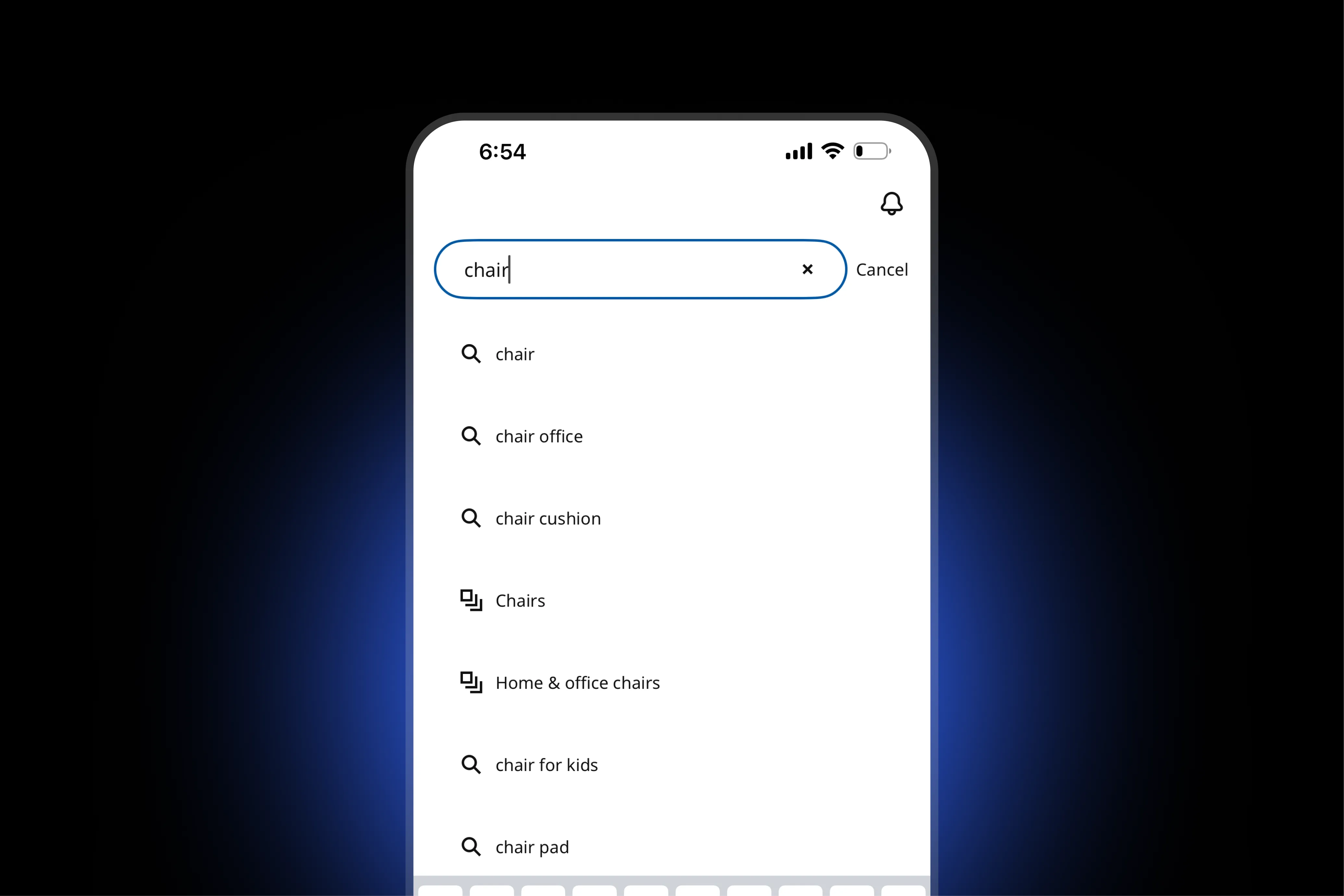
The search experience stands out immediately. When users tap the search bar, the app splits discovery into two clear paths: Products and Rooms. This bifurcation matches how people think. Some users shop with a specific item in mind, while others plan an entire space. By separating these intents, IKEA reduces search friction and improves result relevance from the first tap.
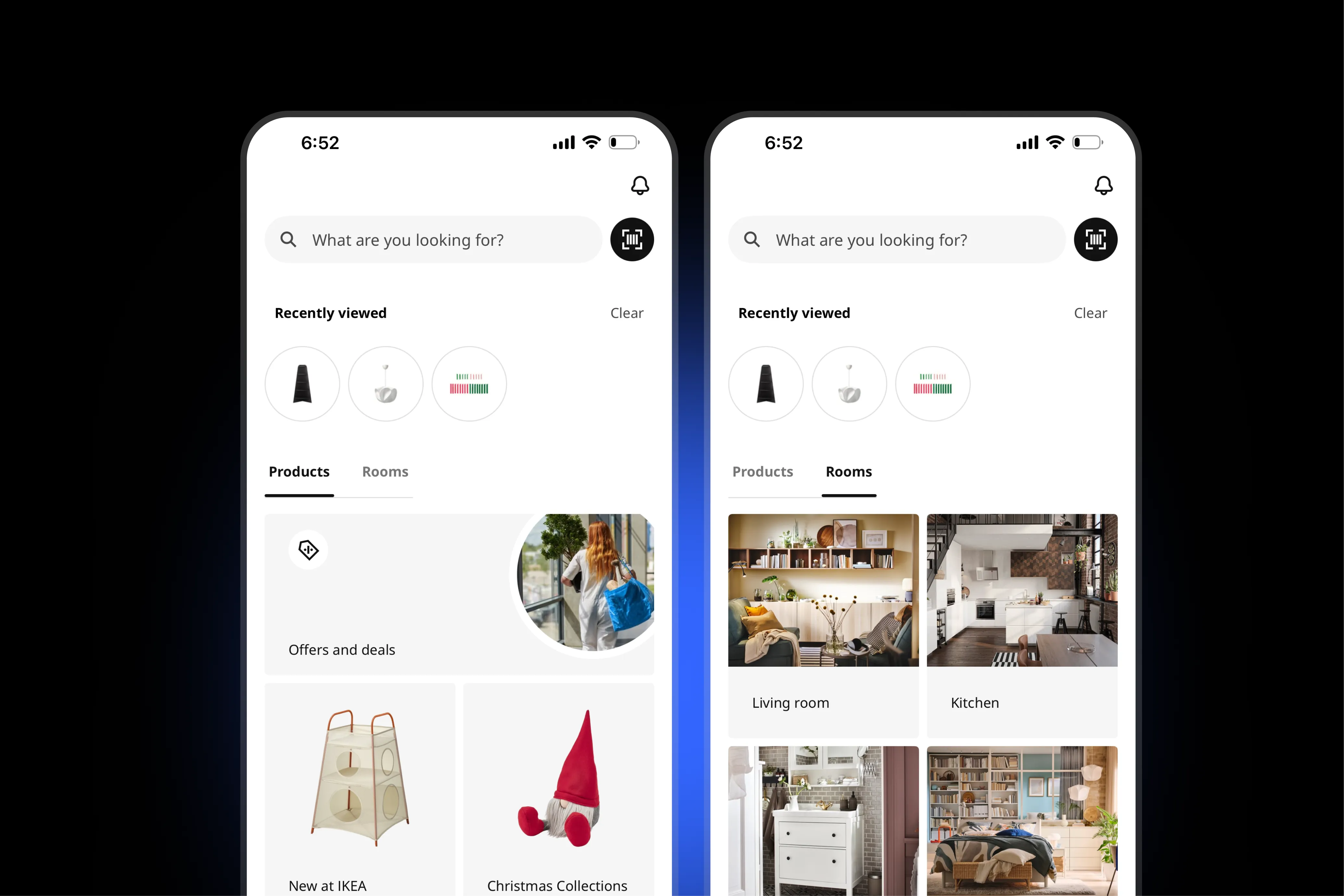
The search bar follows eCommerce best practices throughout. It supports autocomplete, handles spelling errors gracefully, and surfaces relevant collections as users type. The app also shows category-specific suggestions, helping users refine intent without extra filters. IKEA treats search as a navigation layer, not just a utility, and that focus directly improves discovery, engagement, and conversion.
3. Personalized Recommendations
IKEA has built a personalized recommendation engine in its app that works much like Amazon’s. As users browse and scroll, the app actively responds to signals such as viewed products, time spent, saved items, and past purchases.
When a user starts losing buying intent, usually after scrolling without action, the app surfaces similar or complementary products to re-ignite interest. This keeps discovery flowing instead of letting the session end.
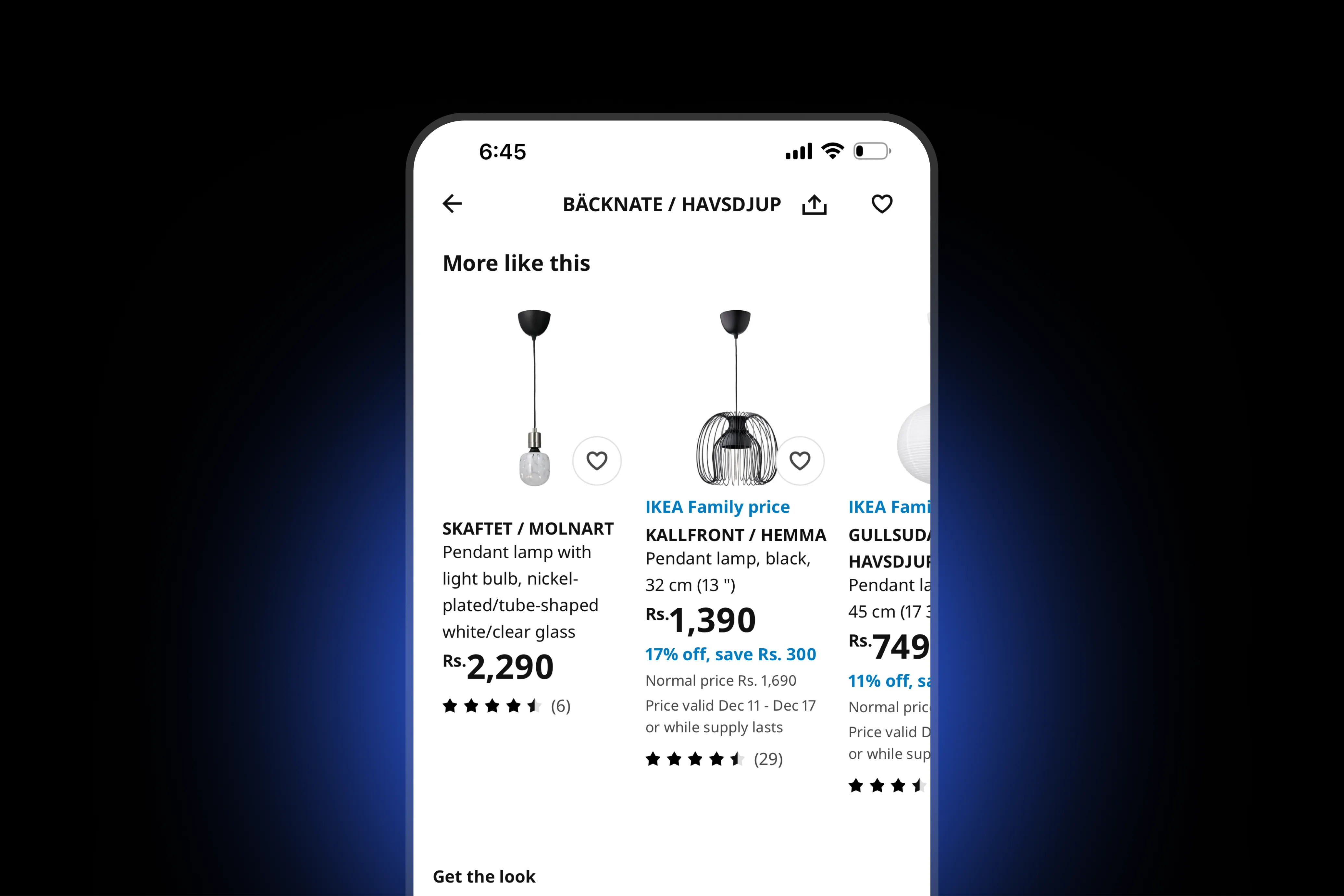
These recommendations feel contextual rather than random. A user looking at a sofa may see matching side tables, rugs, or alternative designs within the same price range. This increases the likelihood of re-engagement and nudges users back toward purchase decisions.
The real strength of IKEA’s system lies in how it improves over time. The more a customer uses the app, the more behavioral data it collects. With every session, recommendations become more accurate, relevant, and timely. As relevance increases, so does trust and that directly lifts conversion rates.
4. Seamless Omnichannel Integration
IKEA’s app removes friction between online and offline shopping by deeply integrating in-store experiences. Customers no longer need to stand in checkout queues.
While inside a store, they can scan products using the app, add them to their cart, and complete checkout directly from their phone. This reduces waiting time and makes the buying process feel faster and more controlled.
This convenience changes customer behavior. When checkout feels effortless, customers feel less resistance to adding more items. The app turns physical browsing into a smooth self-serve experience, which often leads to higher basket sizes.
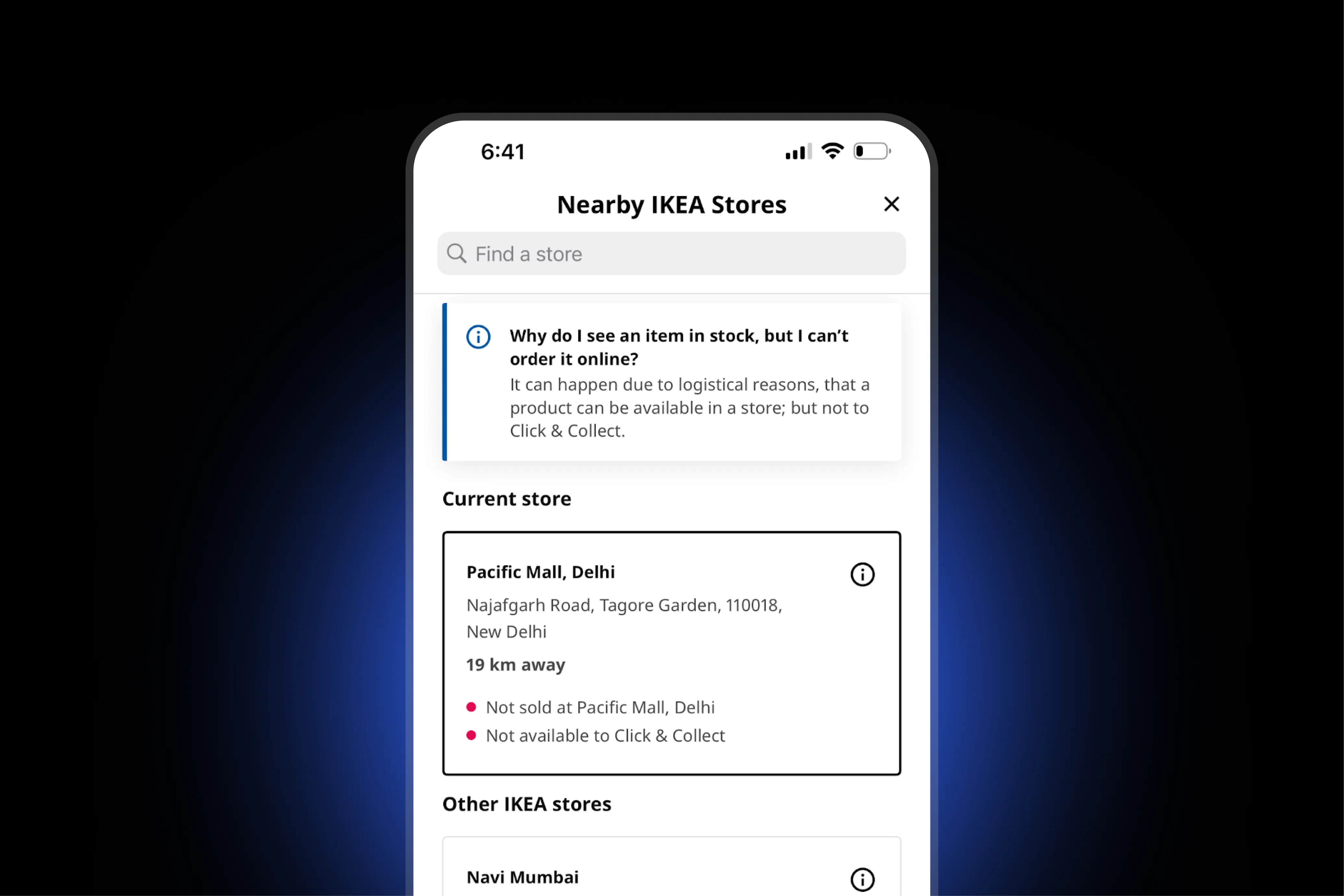
The app also shows real-time product availability across nearby and alternate stores. Customers can check stock before visiting, choose the right location, or switch to delivery if needed. This avoids wasted store visits and frustration from out-of-stock items.
This is what a modern eCommerce mobile app should do: extend convenience beyond the screen and improve the entire shopping journey. IKEA uses mobile to make retail smarter, not harder.
5. High-Quality Visuals
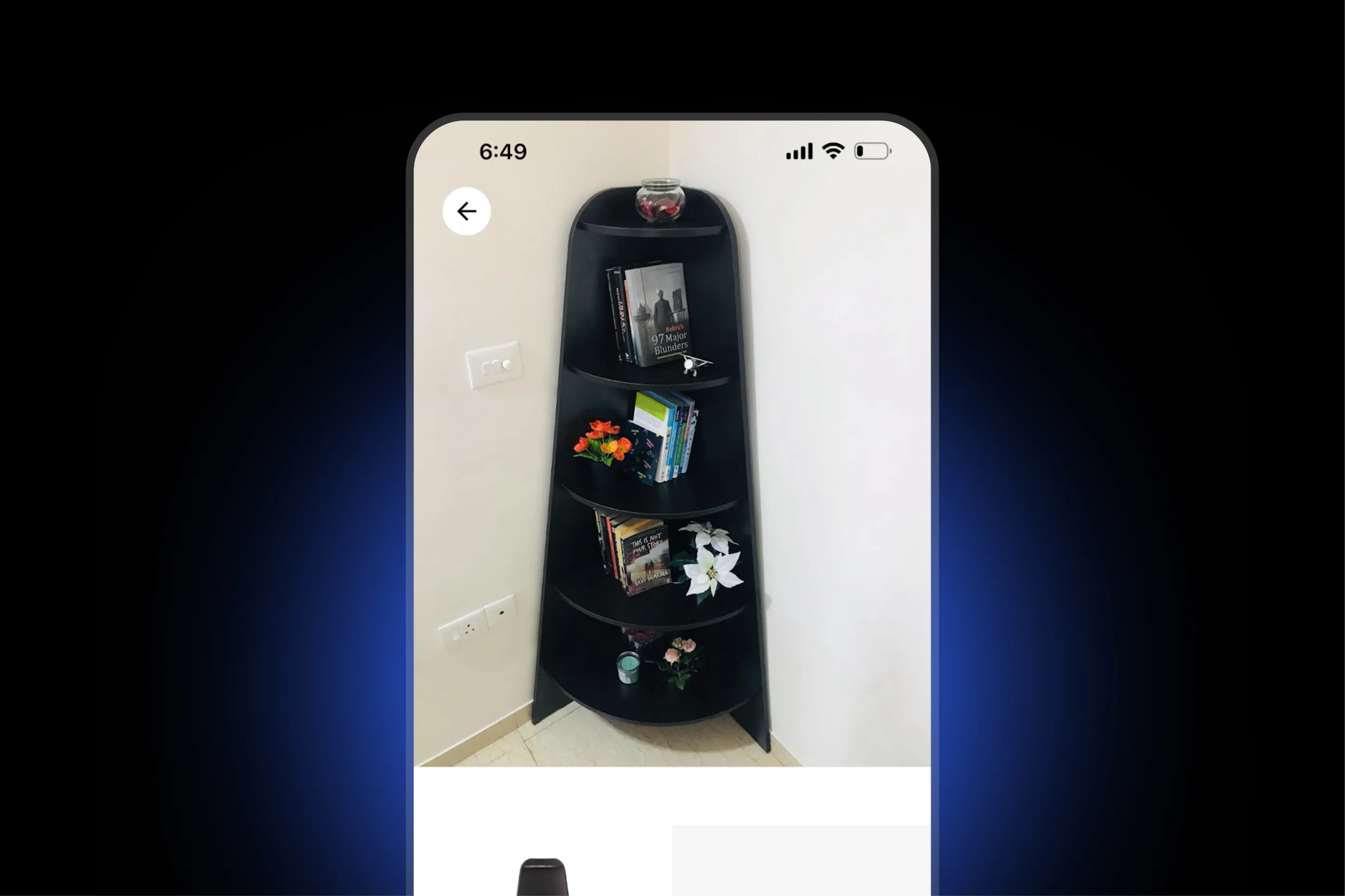
IKEA has always used lifestyle visuals to help customers imagine products in real spaces, and the mobile app applies this approach with precision. Product images are high resolution, well-lit, and shown in real room settings rather than isolated studio shots. This context helps users visualize scale, placement, and styling, which reduces hesitation during purchase.
.webp)
The Shop the Look experience plays a major role in increasing conversion and average order value. Instead of browsing single products, users discover complete room setups and can add multiple items from one visual. This encourages cross-selling without feeling forced.
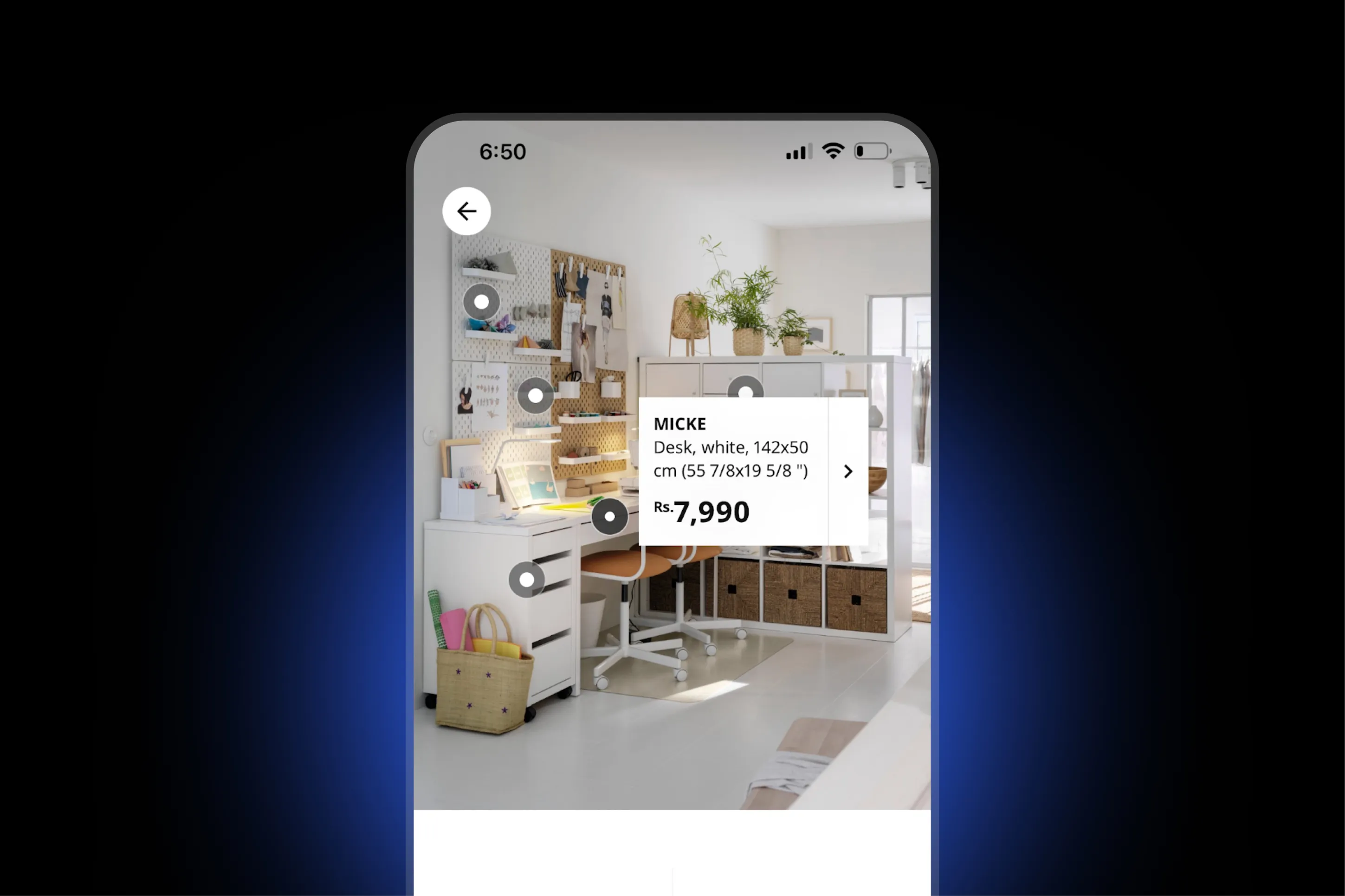
IKEA also integrates reviews and user-generated content in an interactive way. Rather than treating them as static sections, the app presents them as inspiration. Users can tap on featured items inside real customer images and land directly on the product detail page, where checkout becomes seamless. This turns social proof into a direct revenue driver.
6. Streamlined Checkout and Lists
IKEA’s app keeps checkout fast and frictionless. The flow remains short, clear, and predictable, with minimal steps between cart and payment. The app supports multiple payment options, giving users flexibility and reducing drop-offs caused by limited choices. Faster decisions and fewer blockers directly improve conversion rates.
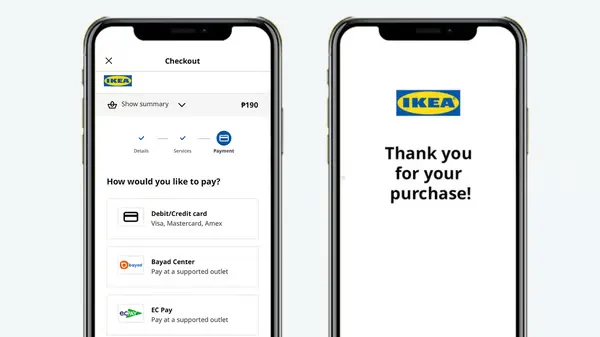
The app also remembers user preferences, addresses, and payment details, which further speeds up repeat purchases. This matters for a brand with frequent, multi-item buying behavior.
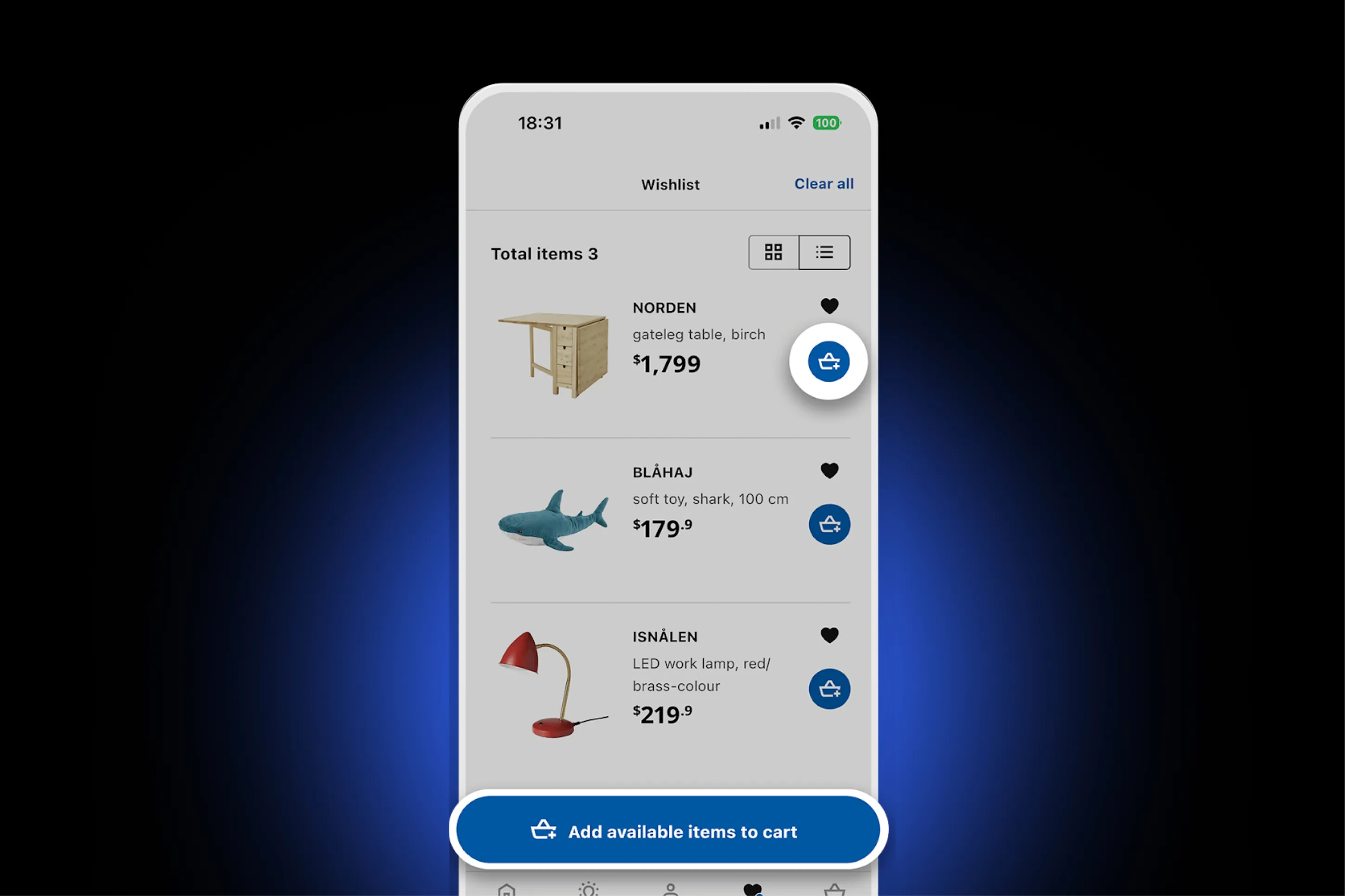
Wishlists and saved lists play an equally important role. Users can create shopping lists for rooms, future purchases, or store visits. This keeps intent alive even when users are not ready to buy immediately. When customers return, they pick up exactly where they left off. By reducing effort across sessions, IKEA increases the likelihood of conversion and encourages planned, higher-value purchases over time.
7. Loyalty and Feedback Loops
IKEA uses its app to build strong loyalty and continuous feedback loops. Rewards, personalized notifications, and usage analytics help tailor offers based on customer behavior. Instead of generic promotions, users receive relevant perks that align with their browsing and buying patterns. This makes rewards feel earned and valuable.
.webp)
The app also collects feedback through engagement signals, helping IKEA refine recommendations, inventory planning, and in-app experiences. Each interaction improves the next one.
The IKEA Family card integrates seamlessly into the app and acts as a major revenue driver. Members access exclusive pricing, offers, and benefits directly within the shopping journey. By embedding loyalty into everyday app usage, IKEA increases repeat purchases and customer lifetime value. The mobile app doesn’t just support loyalty, it actively monetizes it through consistent engagement.
.webp)
Why Building an App Like IKEA is a Must for Your eCommerce Business?
Here’s why you must have an eCommerce mobile app like IKEA does:
1. Mobile Apps Drive Higher Conversions and Revenue
Mobile apps consistently outperform mobile websites across every core commerce metric. Apps deliver higher conversion rates, higher average order value, and stronger revenue per session because they reduce friction and increase engagement.
Customers spend more time inside apps, face fewer distractions, and complete purchases faster. When advanced features such as augmented reality are added, performance improves even further. AR removes uncertainty from high-consideration purchases and gives customers confidence before checkout.
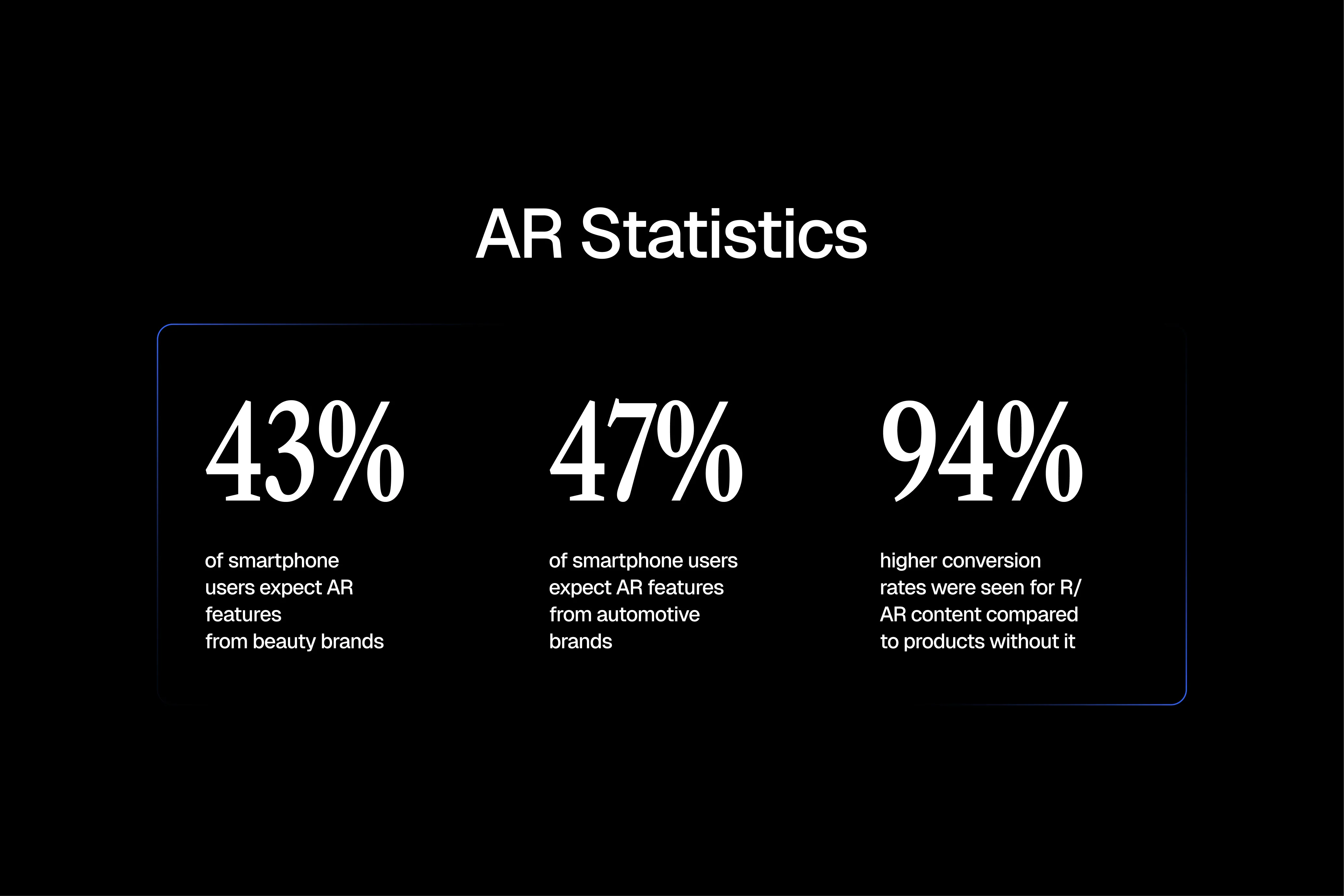
Studies show that AR-enabled shopping experiences can increase conversion rates by up to 94%, especially for categories like furniture, home, and lifestyle. An app like IKEA’s proves that mobile is not just another channel; it is the most effective one for driving intent into revenue.
2. True Omnichannel Growth Across Online and Offline
An eCommerce app enables genuine omnichannel growth by connecting digital and physical experiences into one system. Customers can browse online, check real-time store availability, visit a physical store, and complete checkout directly from the app without standing in queues. This reduces in-store friction while increasing purchase likelihood.
Apps also help distribute traffic load that would otherwise sit entirely on the website during peak periods such as sales or weekends. By shifting repeat customers to the app, brands protect site performance and create a smoother experience across touchpoints.
IKEA’s app shows how mobile can act as the central layer that unifies stores, logistics, and digital commerce.
3. Apps Create Stronger Repeat Purchase Behavior
Apps outperform websites when it comes to retention. Once installed, an app stays visible on the customer’s device and becomes part of their shopping habit. Features such as wishlists, saved carts, personalized recommendations, and push notifications keep users coming back without needing paid acquisition every time.
Over time, this significantly increases customer lifetime value. IKEA benefits from this compounding effect by encouraging customers to plan rooms, save lists, and return for follow-up purchases. An app turns one-time buyers into repeat customers by reducing effort across every future interaction.
4. Deeper Access to Customer Data and Insights
Apps provide access to far richer customer data than websites. Brands can track in-app behavior, browsing patterns, feature usage, store interactions, and purchase frequency with greater accuracy. This data enables better personalization, smarter inventory decisions, and more effective marketing.
With clearer insights into customer intent, brands can optimize experiences in real time. An app like IKEA’s acts as a continuous feedback engine, helping the business improve conversions, engagement, and loyalty at scale.
Build Your Own eCommerce Mobile App Today With Appbrew
Building an eCommerce app like IKEA’s requires more than good design; it requires the right technology foundation. Appbrew helps you launch a high-performance mobile app that delivers all the capabilities that make IKEA’s app effective, while adding features that push conversions even further.
With Appbrew, you get immersive experiences such as advanced product discovery, personalization, high-quality visuals, wishlist-driven shopping, and seamless omnichannel flows.
On top of that, Appbrew fills the gaps where even large enterprise apps often fall short. You can enable social login to reduce signup friction, a lightning-quick checkout that completes in under one second, and a conversion-optimized flow designed specifically for mobile behavior.
Appbrew also supports video integration for richer product storytelling, automated push notifications to drive repeat purchases, and over-the-air updates so you can ship improvements instantly without app store delays. Every feature focuses on speed, retention, and revenue.
Whether you are scaling D2C or expanding omnichannel retail, Appbrew gives you the tools to build faster, convert better, and grow consistently. Book a demo with Appbrew today!