A Liquid Glass bottom bar on iOS 26
The bottom bar moves to a new engine with the iOS 26 Liquid Glass bar, and view_item now fires for every way a shopper reaches a product.
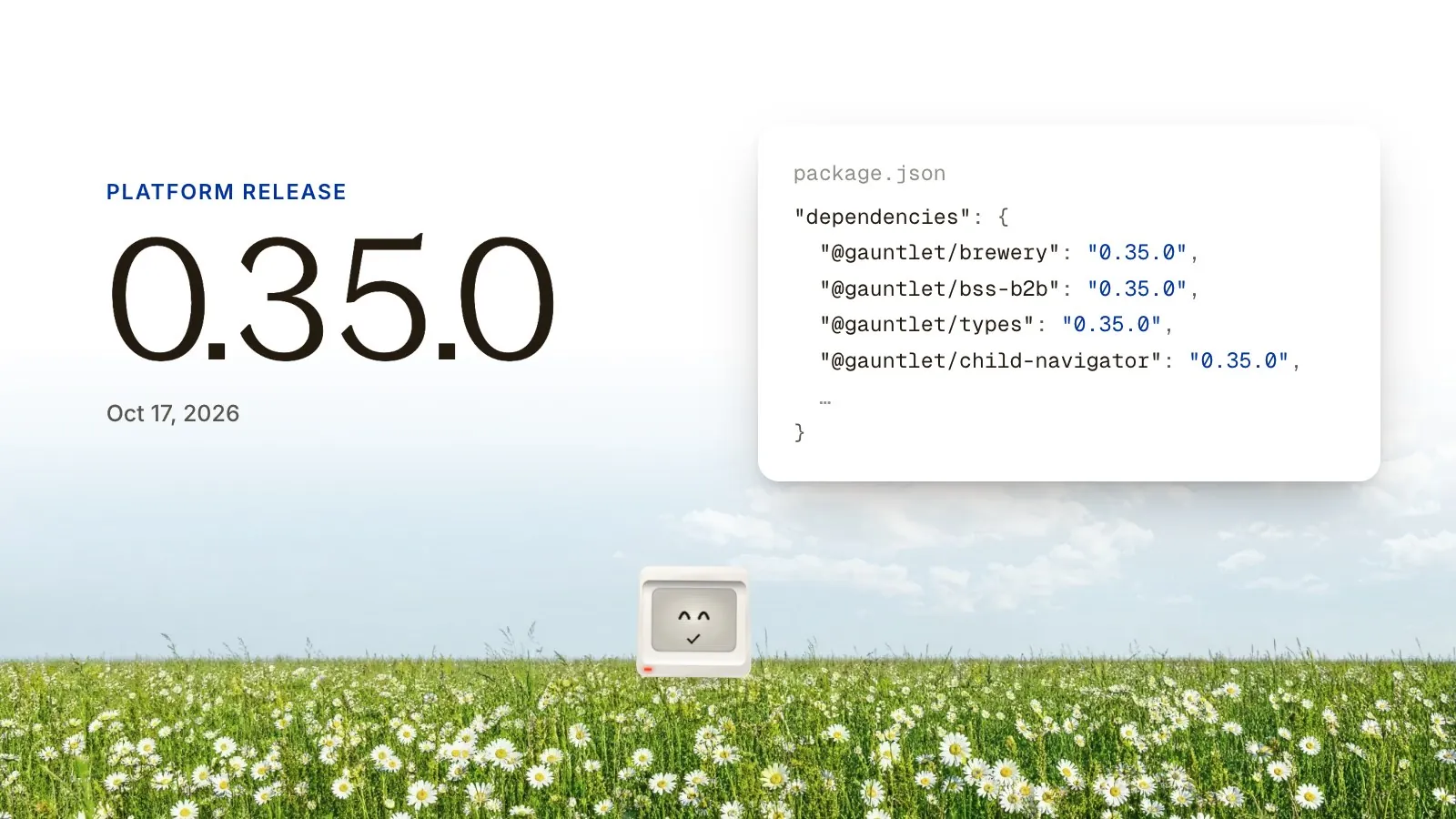
Tab screens are now hosted by React Navigation’s bottom-tabs navigator. The bar looks the same until you set its new options: navigation.bottomBar.behavior (animation, hide on keyboard or scroll, haptics, preloading) and a badge per tab for a cart or wishlist count. Set theme.bottomBar.liquid.enabled and the bar becomes UIKit’s own Liquid Glass tab bar on iOS 26. Android and older iOS keep the docked bar.
Also in 0.35.0
view_itemis sent for every way of reaching a product: deep links, push, Meta and other campaign links, and links inside web pages. Expect higher counts in GA4, Meta, AppsFlyer, Branch and Klaviyo.- Meta ads and deep links open where they point.
@gauntlet/bss-b2b: B2B wholesale prices and volume tiers, published for the first time.- Every instant-code component renders inside its own error boundary, so one crash no longer replaces the whole app.
- A purchase options block (one-time or subscription) and an apply-coupon sheet.
- Flits referral links open in the app.
Breaking changes
If a tab misbehaves, set navigation.bottomBar.engine to 'legacy-child-nav' while you report it. ChildNav is no longer exported. Phone inputs default to the first country-code layout. An app that renders its own NavigationContainer must send view_item itself. Subscription blocks without an appId show every selling plan.
Every app needs a store release
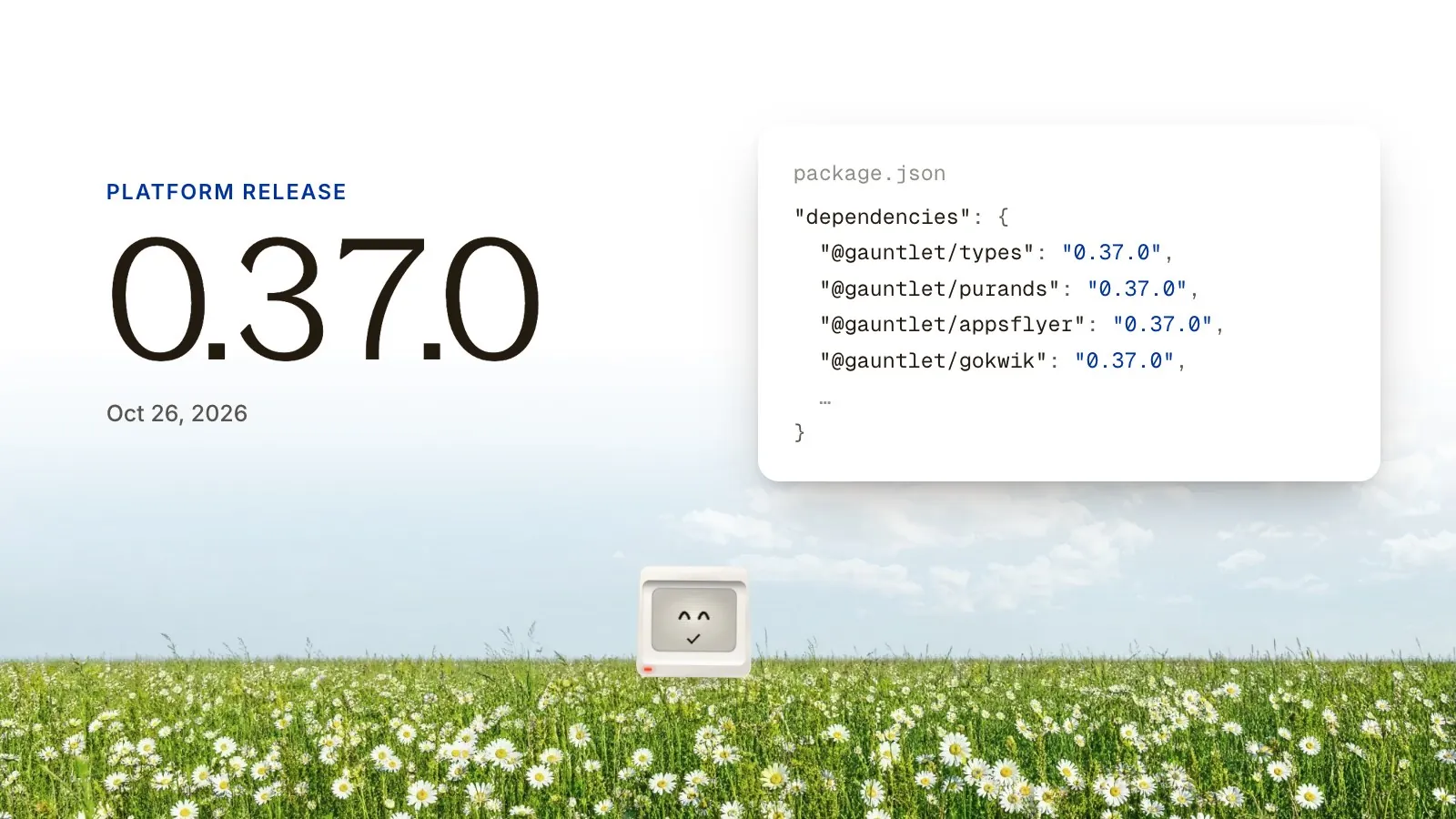
Add @app-brew/tab-bar, react-native-haptic-feedback and @react-navigation/bottom-tabs 7.4.7 (appbrew-sync-deps does it), run pod install and ship a store release. iOS builds now need Xcode 26. Go straight to 0.36.0: it fixes a start-up slowdown in this release.