.avif)

.png)
.webp)

.avif)
.avif)
.avif)
How Kiyoko Beauty Turned a Brand Refresh Into a High-Conversion Mobile Experience with Appbrew
{{blockqoute}}
About Kiyoko Beauty
Most beauty brands treat mobile apps as a nice-to-have. Kiyoko Beauty treated it as an unlaunched product with a deadline that mattered more than being first.
While competitors rushed native apps onto outdated websites, Kiyoko waited through a full brand refresh before building anything mobile. That patience paid off: the app now converts 60% better than the website and drives over a fifth of the company's total DTC revenue.
Here's what Kiyoko's strategy actually looked like, and the specific decisions that turned a K-beauty discovery platform into a mobile-first growth engine.
{{footer-cta}}
What Is Kiyoko Beauty's Marketing Strategy?
Kiyoko Beauty's core strategy is discovery over destination. Rather than positioning itself as a single-brand retailer, Kiyoko built a platform where customers browse dozens of Korean and Japanese beauty brands in one place, similar to how Sephora curates rather than manufactures.
That discovery-first identity shapes every channel decision, including mobile. Kiyoko's team didn't ask "how do we get an app out fast." They asked "how do we make browsing 100+ SKUs across unfamiliar brands feel effortless on a five-inch screen." The answer shaped a homepage built around exploration (bestsellers, creator video content, and live promotions in one scrollable feed) instead of a stripped-down product grid.
The strategic bet: a shopper who discovers three new brands in one session is worth more long-term than one who bounces in with a single SKU in mind.
Why Did Kiyoko Beauty Delay Its App Launch?
Kiyoko was in the middle of a full brand and website redesign when the case for a mobile app became obvious. Most companies would launch anyway and patch the app later. Kiyoko didn't.
The reasoning was straightforward: an app built against an outdated brand identity would need a second overhaul within months, doubling the engineering and design cost while confusing customers with two visual languages at once. Kiyoko held the mobile build until the new site, colors, layout, and merchandising logic were finalized, then translated that finished identity to mobile in one pass.
This is the part most competitor benchmarking misses. Kiyoko's mobile success wasn't a launch-day story. It was a sequencing decision made months before Appbrew wrote a line of code.
How Did Kiyoko Beauty Solve Product Discovery on Mobile?
Kiyoko's catalog spans dozens of brands and hundreds of SKUs, which creates a specific mobile UX problem: customers arrive with broad goals ("find me a skincare routine," "show me trending Korean beauty") rather than a specific product in mind. A generic category grid doesn't answer that kind of intent.
Appbrew built the following features to solve it directly:
A Homepage Designed for Exploration
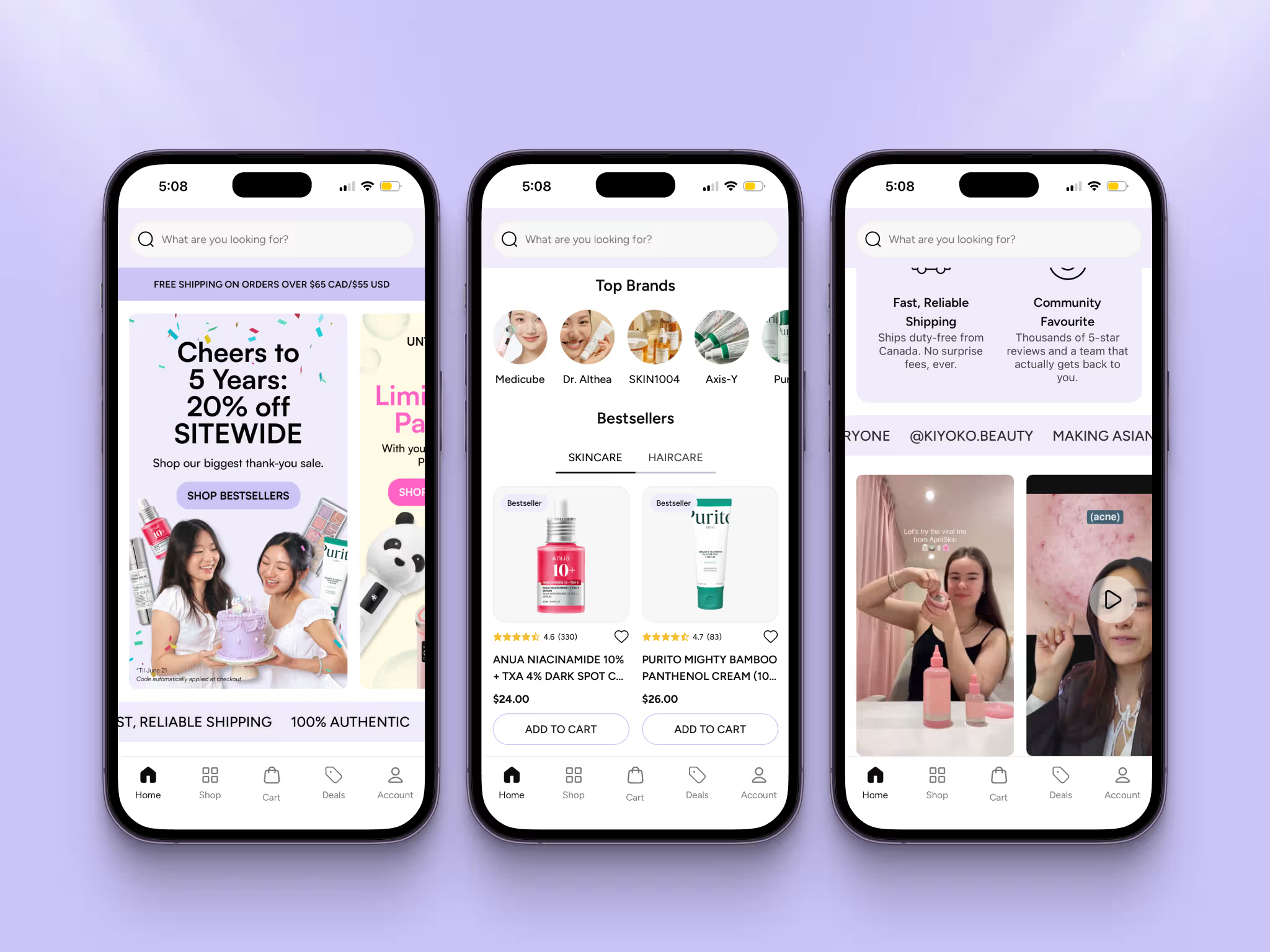
Kiyoko's homepage was built to inspire discovery. Customers can explore top brands, bestselling products, creator content through an embedded video feed and ongoing promotions from a single destination. The experience guides users naturally from inspiration to purchase while making product discovery effortless.
A Custom Brand Directory
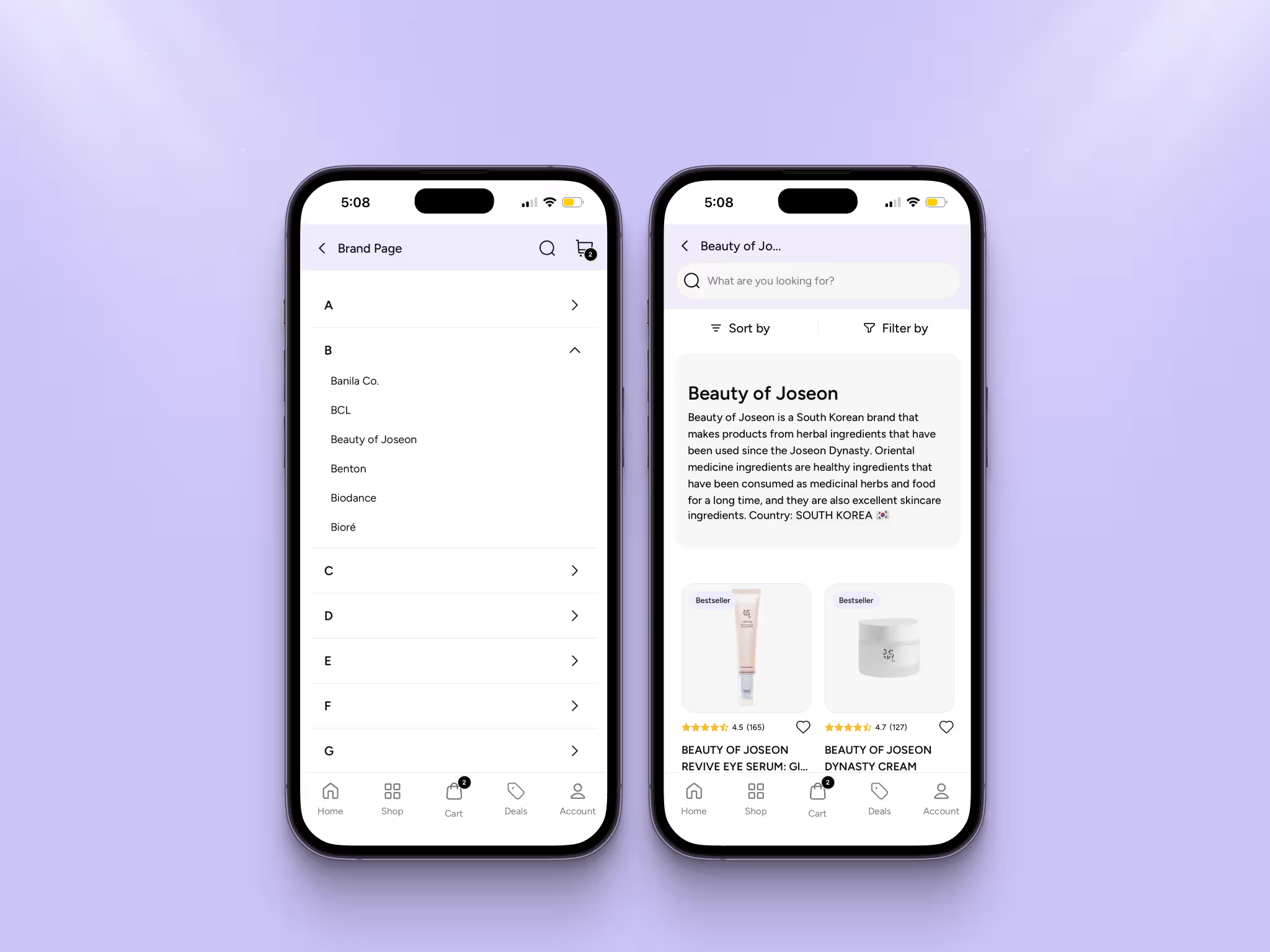
With dozens of leading Asian beauty brands, brand discovery is central to the Kiyoko experience. Appbrew built a dedicated brand directory that mirrors the website, allowing customers to browse brands, explore collections, and shop products through curated brand storefronts.
Intuitive Category Navigation
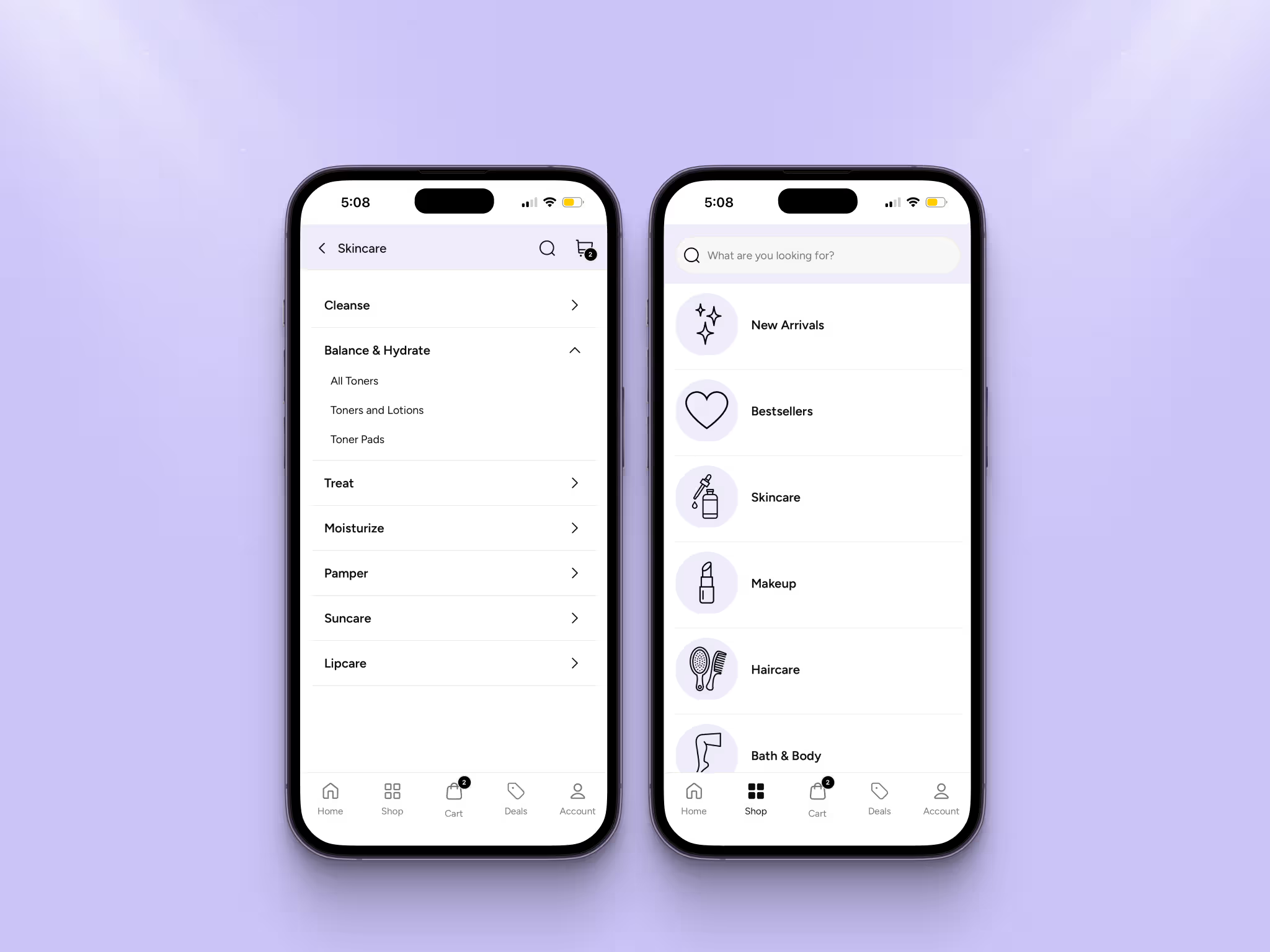
To simplify browsing, Appbrew created a streamlined category experience featuring New Arrivals, Bestsellers and categories across Skincare, Makeup, Haircare, etc. This helps customers quickly find relevant products and reduces friction across the shopping journey.
Personalized Shopping with Rebuy
Appbrew integrated Rebuy to power personalized recommendations and cross-sell opportunities throughout the app. By surfacing relevant products at key moments, Kiyoko can drive higher basket sizes while improving product discovery.
Multi-Currency Shipping Progress Bar
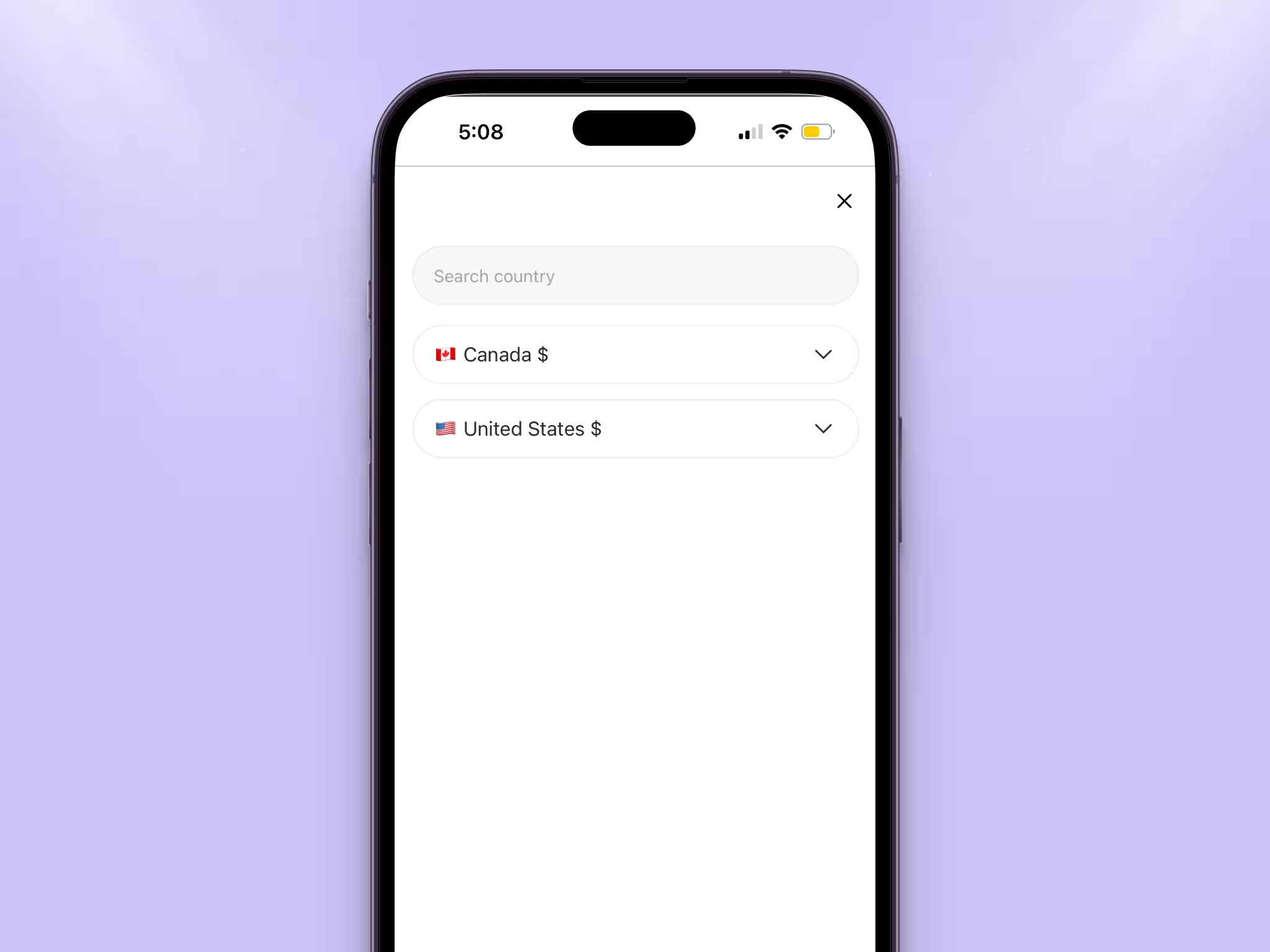
To support customers across Canada and the US, Appbrew built a custom shipping progress bar that dynamically adjusts based on currency and market-specific free shipping thresholds. This ensures customers always see accurate incentives while encouraging larger orders.
The through-line: every discovery feature exists to shorten the distance between "I don't know what I want" and "I found something I trust."
What Was Kiyoko Beauty's App Conversion Rate Increase?
Kiyoko's app converts 60% higher than its website. That's not a rounding-error improvement, it's the kind of lift that changes which channel gets prioritized in the marketing budget.
Three factors drove it, based on how the app was built:
FactorWhat changedWhy it moved conversionNavigationCategory structure rebuilt around New Arrivals, Bestsellers, and product typeFewer taps between intent and product pagePersonalizationRebuy integration surfacing cross-sell and recommendationsRelevant products shown at high-intent moments, not just on the PDPNative shopping flowApp-native checkout instead of a mobile web wrapperRemoves the friction of mobile browser checkout (slow loads, address autofill failures, session timeouts)
The AOV lift (7% higher on app versus web) came from the same personalization layer doing double duty: Rebuy's cross-sell surfacing increased basket size at the same time it increased conversion, rather than trading one for the other.
{{form-wrap}}
How Much of Kiyoko Beauty's Revenue Comes From Its App?
Mobile now drives 21% of Kiyoko's total direct-to-consumer revenue. For a channel that didn't exist until after a full website relaunch, that's a meaningful share of the business in a short window.
The revenue share matters more than the conversion percentage in isolation. A channel can convert well and still be a rounding error if nobody uses it. Twenty-one percent of DTC revenue means the app graduated from "supplementary channel" to "a pillar of the business" that Kiyoko now has to plan around, not just monitor.
How Did Kiyoko Beauty Handle International Customers in Its App?
Kiyoko sells across Canada and the United States, where shipping thresholds, currencies, and promotions differ by market. That's a common failure point for DTC apps: a shipping incentive bar that shows the wrong currency or the wrong threshold erodes trust exactly at the moment a customer is deciding whether to add one more item.
Appbrew built a custom shipping progress bar that dynamically adjusts based on the customer's currency and market-specific free shipping threshold. A Canadian shopper sees Canadian thresholds in Canadian dollars. A US shopper sees the US equivalent. Neither has to do currency math to know how close they are to free shipping.
Kiyoko also implemented Multipass for web-to-app authentication, so a customer who creates an account on the website doesn't have to re-register inside the app. Small detail, but it's the difference between a unified customer record and two disconnected ones.
Why Kiyoko Chose Appbrew
As Kiyoko prepared for its next stage of growth, the team needed more than an app builder. They needed a platform capable of translating a newly refreshed brand into a premium mobile experience while supporting the complexities of modern beauty retail.
Appbrew delivered:
- A discovery-first mobile experience tailored to beauty shoppers
- A custom brand directory mirroring the website experience
- Personalized product recommendations through Rebuy integration
- Multi-currency shipping incentives for international customers
- Seamless web-to-app authentication through Multipass
For Kiyoko, the app became more than a mobile storefront. It became a destination where customers can discover brands, explore products, and engage with the K Beauty experience in a way that feels intuitive, personalized, and uniquely Kiyoko.
{{footer-cta}}
.webp)

We didn't want just another sales channel. We wanted an app that reflected our new brand identity, delivered a premium shopping experience, and helped us convert our most loyal customers better than mobile web ever could.

- Partnered with Appbrew to build a discovery-first native app rather than a like-for-like copy of the website
- Personalized recommendations through Rebuy integration and intuitive category navigation drive higher basket sizes and reducing browsing friction.
- The app converts 60% higher than Kiyoko's website and carries a 7% higher average order value
- Mobile app now accounts for 21% of Kiyoko's total direct-to-consumer revenue