




The universal commerce protocol explained for Shopify merchants: what's on by default, what Google Universal Cart needs from you, and what UCP skips.
Your products are showing up in places you never set up. A shopper asks Gemini for running shoes, Google's AI Mode builds a shortlist, and one of your SKUs sits in a cart you don't control. You never wrote an integration. You never signed a new deal.
That isn't a glitch. It's the Universal Commerce Protocol at work, and most of the setup already happened inside your Shopify admin.
This guide explains UCP in plain merchant terms: what Shopify switched on for you, what Google's Universal Cart asks of you, how UCP differs from OpenAI's protocol, and which parts of your business the protocol leaves untouched.
TL;DR
- The Universal Commerce Protocol is an open standard for AI agents to discover products and complete checkout with any merchant, announced by Google and Shopify on January 11, 2026.
- Shopify's Agentic Storefronts is active by default for eligible stores, and direct checkout in Google AI Mode and Gemini is on by default too (Shopify Help Center).
- Google launched Universal Cart in US Search and the Gemini app on October 15, 2026, and the retailer always remains the merchant of record (Google, 2026).
- Direct checkout in Google AI Mode and Gemini carries no extra Shopify channel fee, only standard payment processing (Shopify Help Center, 2026).
- UCP covers discovery and checkout inside AI surfaces. Your mobile app, push notifications and loyalty program sit outside it and stay yours.
What is the Universal Commerce Protocol?
The Universal Commerce Protocol (UCP) is an open, Apache 2.0 licensed standard that gives AI agents, platforms and merchants one shared language for shopping. An agent reads what a store supports, then runs search, cart, checkout and order steps through that standard instead of a custom integration for each surface.
Google and Shopify announced UCP on January 11, 2026. Google's engineering team framed the problem as an "N x N" integration bottleneck: every merchant had to build a bespoke connection for every AI surface. UCP collapses that into a single integration point (Google Developers Blog, January 2026).
Shopify, Etsy, Wayfair, Target and Walmart co-developed the protocol with Google, and more than 20 partners endorsed it at launch, including Adyen, American Express, Best Buy, Mastercard, Stripe and Visa.
The official spec at ucp.dev lists five core capabilities.
| UCP capability | What it lets an AI agent do | What it means for your store |
|---|---|---|
| Catalog search and lookup | Find products and read their details | Product titles, attributes and stock decide whether you show up |
| Cart building | Add items from several merchants to one cart | Your products can sit next to competitors in a single basket |
| Identity linking | Connect a shopper's account with your store | Logged-in perks can follow the shopper into an AI surface |
| Checkout | Create, update and complete a purchase | Orders can be placed without the shopper loading your site |
| Order management | Track the order after purchase | Status updates flow back to the agent the shopper used |
UCP runs over REST and JSON-RPC and works with the Model Context Protocol (MCP), Agent2Agent (A2A) and the Agent Payments Protocol (AP2). Payment stays flexible. Google's reference build uses Google Pay, and Shopify's own UCP page notes that Shop Pay is built in.
If you want the wider picture of AI agents buying on a shopper's behalf, our explainer on agentic commerce covers the full landscape.
UCP explained for Shopify merchants
For a Shopify merchant, UCP is the plumbing that lets Google AI Mode, Gemini and other AI agents read your catalog and check shoppers out. Shopify runs it for you through Agentic Storefronts, which is active by default for eligible stores. You don't write code. You manage it under Sales channels > Agentic.
Shopify's Help Center lists the AI channels Agentic Storefronts reaches, which are ChatGPT, Google AI Mode and Gemini, Microsoft Copilot, and Meta. For Google specifically, direct checkout "is activated by default for eligible stores" (Shopify Help Center, checked November 4, 2026). In September 2026, eligible US Shopify merchants started receiving native checkout across AI Mode and Gemini without any setup on their side (Techwyse, September 2026).
Eligibility for Google's direct checkout comes down to five things.
- You sell to customers in the United States, Canada or Australia. Your store can be based in any country.
- You have a valid Google Merchant Center account, with products synced through the Google & YouTube channel or another feed.
- Your products are eligible for Shopify Catalog.
- You accept the Shopify Agentic Storefronts Supplemental Terms of Service.
- Your terms of service, privacy policy and return and refund policy are complete under Settings > Policies.
Some products can't use direct checkout, including subscription-only products, bundles, customizable products and B2B-only products. Shoppers still find them, then finish the purchase on your store. There's no extra fee for Google AI Mode and Gemini direct checkout beyond your standard payment processing.
One exception matters if you're on Shopify's Agentic plan, the plan for brands that list in Shopify Catalog without running their main storefront on Shopify. There, direct checkout for Google is off by default, and you switch it on yourself.
What UCP does not touch matters as much. It governs how an AI surface reads your catalog and takes an order. It doesn't run your mobile app, your push notifications or your loyalty program. More on that below.
{{cta}}
Google Universal Cart: what do I need to do as a merchant?
If you're a Shopify merchant selling to US shoppers, you mostly need to check settings, not build anything. Keep products synced to Google Merchant Center, confirm your policies are published, and review the Google AI Mode and Gemini channel under Sales channels > Agentic. You remain seller of record. Your app, push and loyalty sit outside the cart.
Universal Cart is Google's cross-retailer shopping cart. Google previewed it in May 2026 and began rolling it out on October 15, 2026, across Google Search and the Gemini app in the US (Search Engine Roundtable, October 2026). Items saved on one Google surface appear on the others. At checkout, the shopper either pays with Google Pay in a few taps or transfers the items to the merchant's own site. Both routes run on UCP.
Google named Nike, Sephora, Target, Ulta Beauty, Walmart, Wayfair "and many Shopify merchants" as launch participants. On ownership, Google says "the retailer always remains the merchant of record" (Google, May 2026).
Here's the merchant checklist, split by how you run your store.
| Step | Shopify merchant | Custom or non-Shopify stack |
|---|---|---|
| Product data | Sync through the Google & YouTube channel to Merchant Center | Maintain a Merchant Center feed yourself |
| UCP implementation | Shopify handles it through Agentic Storefronts | Build to the UCP developer guide; cart transfer needs UCP version 2026-04-08 or later |
| Access | Eligible stores are active by default | Submit Google's UCP integration interest form and wait to be selected |
| Testing | Not required | Validate your profile, cart transfer and checkout APIs in Merchant Center's sandbox |
| Checkout choice | Toggle direct checkout under Sales channels > Agentic | Choose cart transfer, native checkout or identity linking |
| Markets | US, Canada and Australia shoppers, rolling out gradually | US first; Google lists Australia and Canada for 2027 |
Google's own help page tells merchants on a platform to ask that platform about UCP plans rather than build alone. For Shopify stores, that answer is Agentic Storefronts.
To change Google checkout behavior, go to Sales channels > Agentic, turn off "Allow Shopify to manage for me," click Google AI Mode and Gemini, set Direct checkout on or off, and save. Turning direct checkout off keeps your products discoverable. Shoppers finish the purchase on your site.
Two things deserve your attention before the holiday rush. Product titles, attributes and stock are what agents read, so thin descriptions cost you placement; our guide to writing product descriptions AI shopping assistants can parse walks through the fixes. And policies need to be live, because AI channels show them to shoppers.
UCP vs ACP: how the agentic commerce protocols differ
UCP and the Agentic Commerce Protocol (ACP) solve the same problem from different camps. Google and Shopify built UCP to cover the whole journey, from catalog search to order tracking, across any AI surface. OpenAI and Stripe released ACP in September 2025 to power checkout inside ChatGPT.
| Universal Commerce Protocol (UCP) | Agentic Commerce Protocol (ACP) | |
|---|---|---|
| Built by | Google and Shopify, with Etsy, Wayfair, Target and Walmart | OpenAI and Stripe |
| Launched | January 11, 2026 | September 2025 |
| Scope | Catalog, cart, identity, checkout, order management | Checkout between an agent and a merchant |
| Main surfaces | Google AI Mode, Gemini app, Universal Cart | ChatGPT |
| License | Apache 2.0 | Apache 2.0 |
| Merchant of record | The merchant | The merchant |
ACP's flagship use changed in 2026. ChatGPT Instant Checkout launched in September 2025, and OpenAI wound in-chat checkout down in March 2026 (Retail Gazette, March 2026). ChatGPT now recommends products, and shoppers complete the purchase on the merchant's own store.
For a Shopify brand, the practical difference is small. Agentic Storefronts connects you to both ecosystems from one admin screen, so you don't pick a protocol. You pick channels.
What UCP does not change for your store
UCP moves the first purchase into an AI surface. It does nothing for the second one.
When a shopper buys through Gemini or Universal Cart, Google owns the conversation, the cart and the shopping history on its side. You get the order and the customer record, and you handle fulfillment and support. What you don't get is a channel to bring that shopper back. That still has to come from you.
Three channels stay entirely outside the protocol.
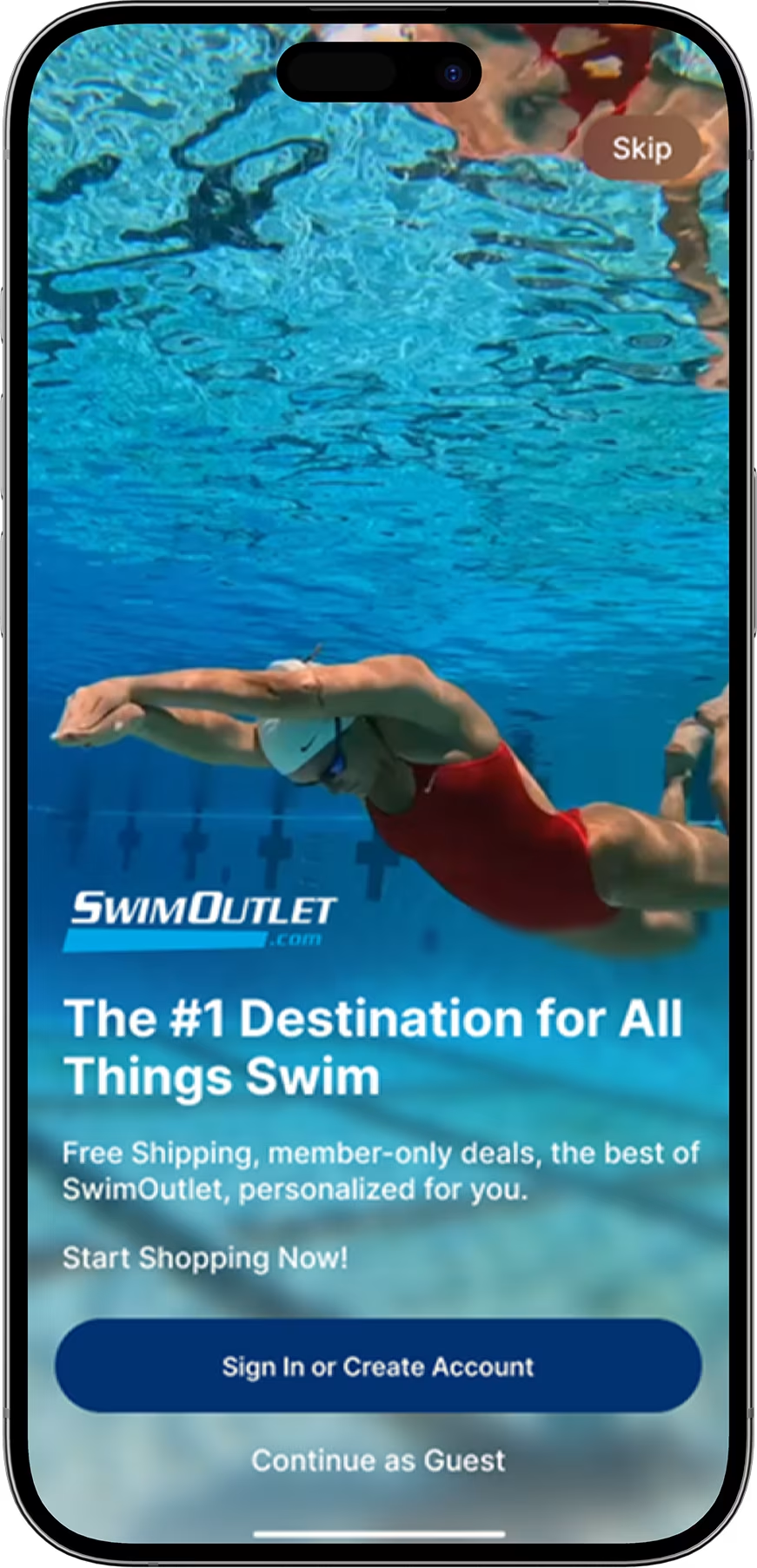
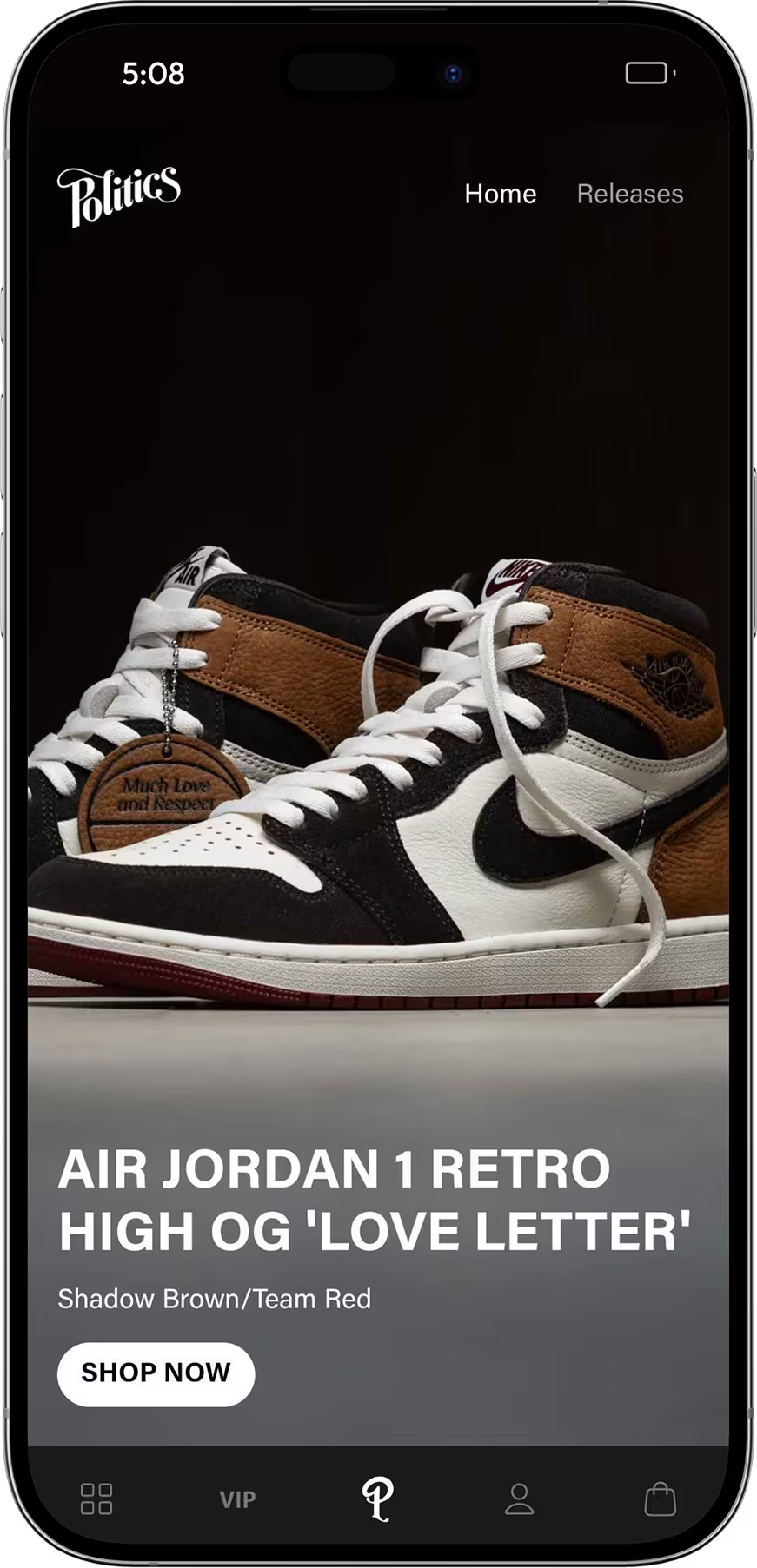
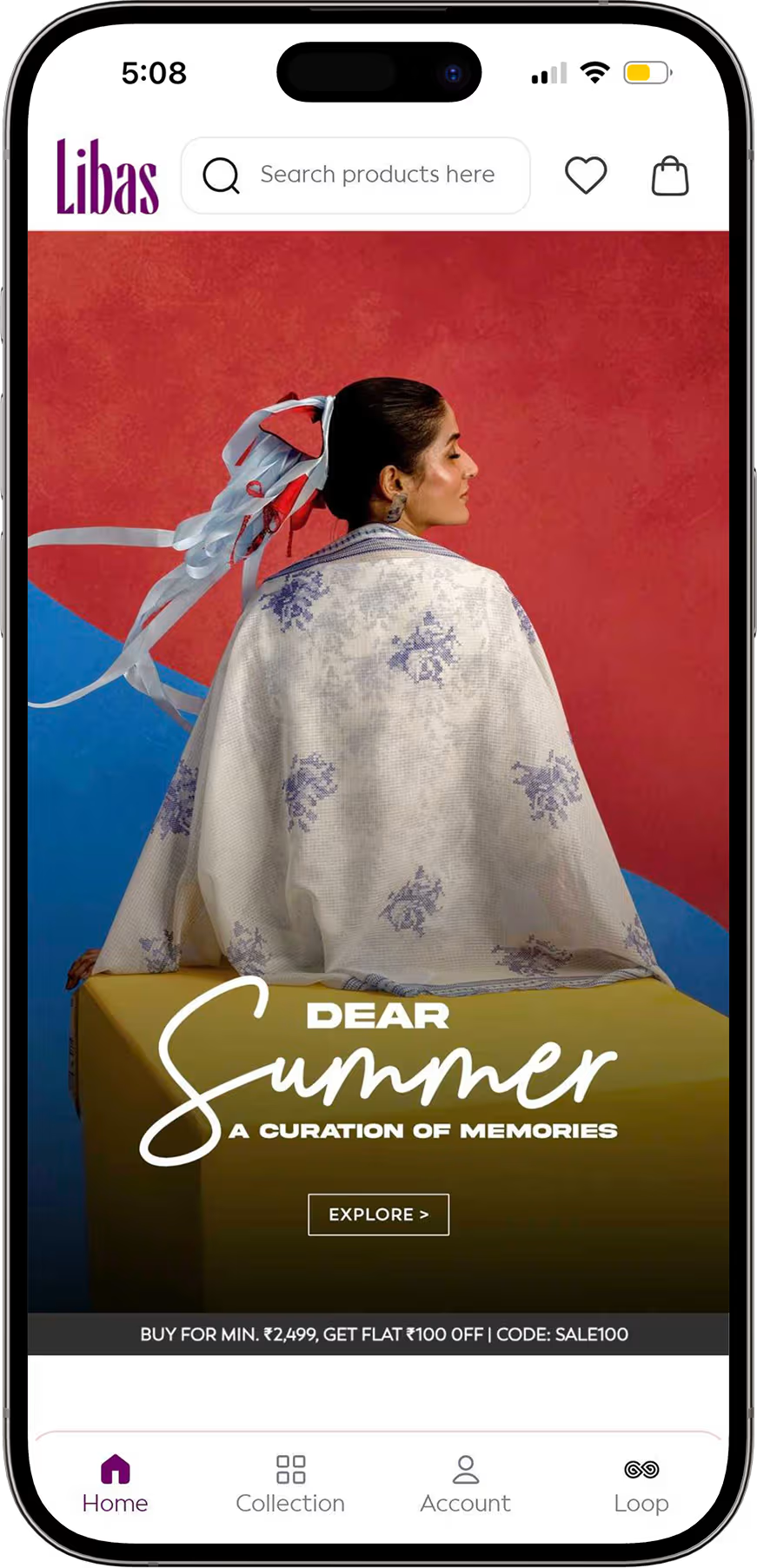
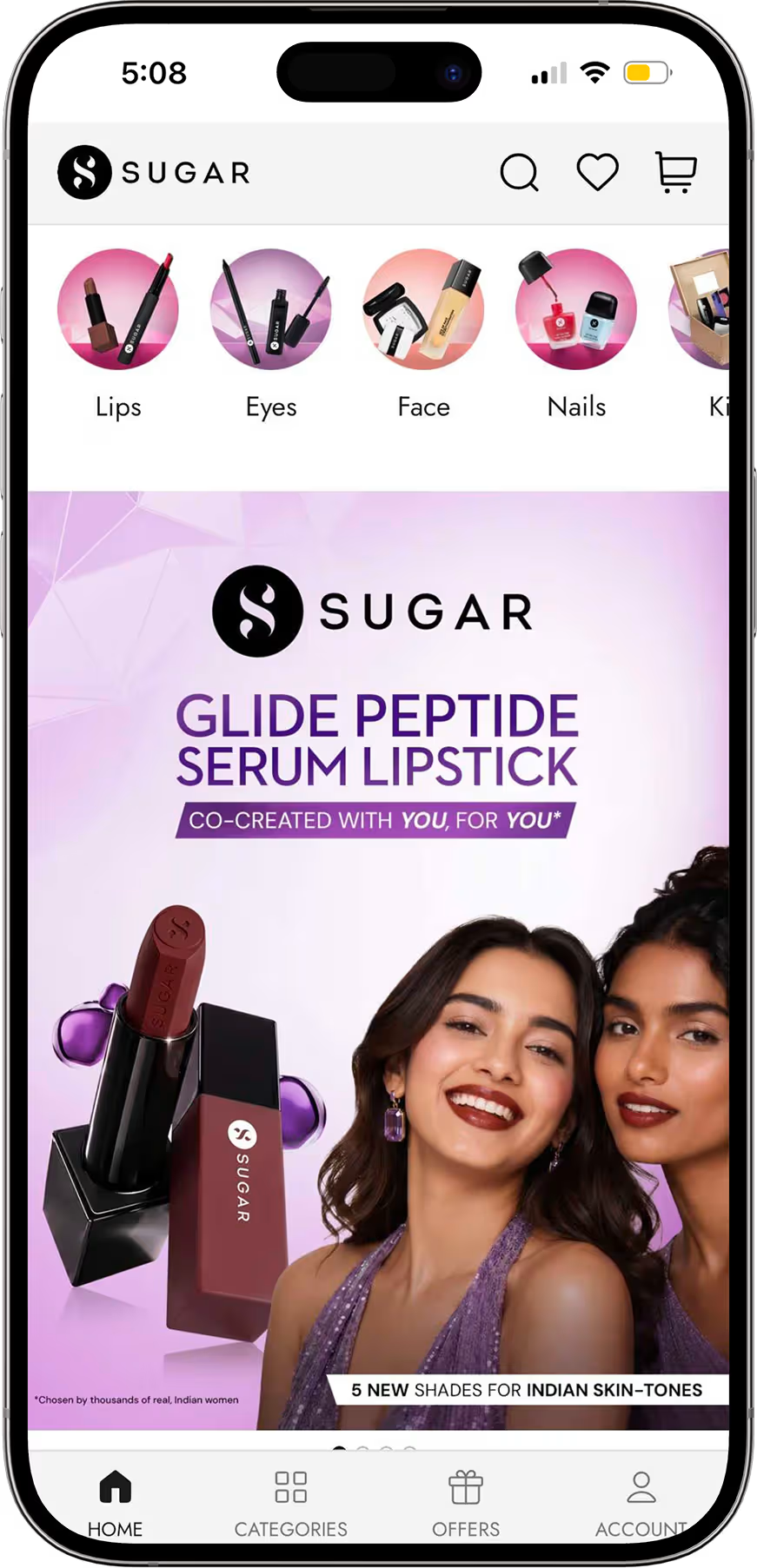
- Your mobile app. UCP doesn't list, render or reorder anything inside a branded app. A shopper who installs your app talks to you, not to an agent.
- Push notifications. No AI cart can send a back-in-stock or price-drop push on your behalf to someone who opted in to your brand.
- Loyalty and rewards. Points, tiers and member pricing live in your loyalty stack. UCP lets an agent pass identity at checkout. It doesn't run your program.
This is where retention work shifts weight. If AI surfaces win more first orders, the brands that hold margin are the ones turning those buyers into app users. AI shopping assistants are already shaping discovery on Google and ChatGPT; the owned channel is what keeps repeat orders off rented ground.
Appbrew builds that owned channel. It's a Shopify-exclusive mobile app platform with 120+ native integrations, used by 250+ brands. Milo, Appbrew's AI, builds app screens from your existing Shopify store, then drafts changes and waits for your yes before anything ships.
If you're still deciding whether an app makes sense, start with how to turn a Shopify store into a mobile app.
The real shift
The Universal Commerce Protocol makes your catalog portable. Google's surfaces, and any agent that adopts UCP, can now sell your products without you building a thing. That's good for reach and neutral for loyalty, because the protocol hands the shopper back to nobody.
The brands that win this cycle will treat AI checkout as an acquisition channel and their app as the place customers come back to.
{{cta2}}
Frequently asked questions
Do Shopify merchants need to do anything to use UCP?
Mostly no. Shopify runs UCP through Agentic Storefronts, which is active by default for eligible stores. Check Sales channels > Agentic in your admin, confirm your products sync to Google Merchant Center, and make sure your terms, privacy and refund policies are published. Custom builds are only needed for stores off Shopify.
Is UCP the same as Google Universal Cart?
No. UCP is the open protocol. Universal Cart is a Google shopping feature built on it, launched in US Search and the Gemini app on October 15, 2026. UCP also powers direct checkout in Google AI Mode and Gemini outside the cart, and any other agent can adopt it.
Does Google charge Shopify merchants for UCP checkout?
Shopify's Help Center states there are no fees for selling through Google AI Mode and Gemini direct checkout. You pay your standard payment processing fees. Google hasn't announced a separate transaction fee for Universal Cart orders.
Can I turn off Google AI checkout on Shopify?
Yes. Go to Sales channels > Agentic, turn off "Allow Shopify to manage for me," open Google AI Mode and Gemini, and switch off Direct checkout. Your products stay discoverable on Google's AI surfaces, and shoppers complete the purchase on your own store instead.
Is UCP open source?
Yes. The specification is published at ucp.dev under the Apache License 2.0, with the spec, documentation and reference implementations in a public GitHub repository. Google and Shopify co-developed it, and the project accepts outside contributions.
Send back-in-stock and price-drop pushes to shoppers who opted in to your brand.