



.webp)
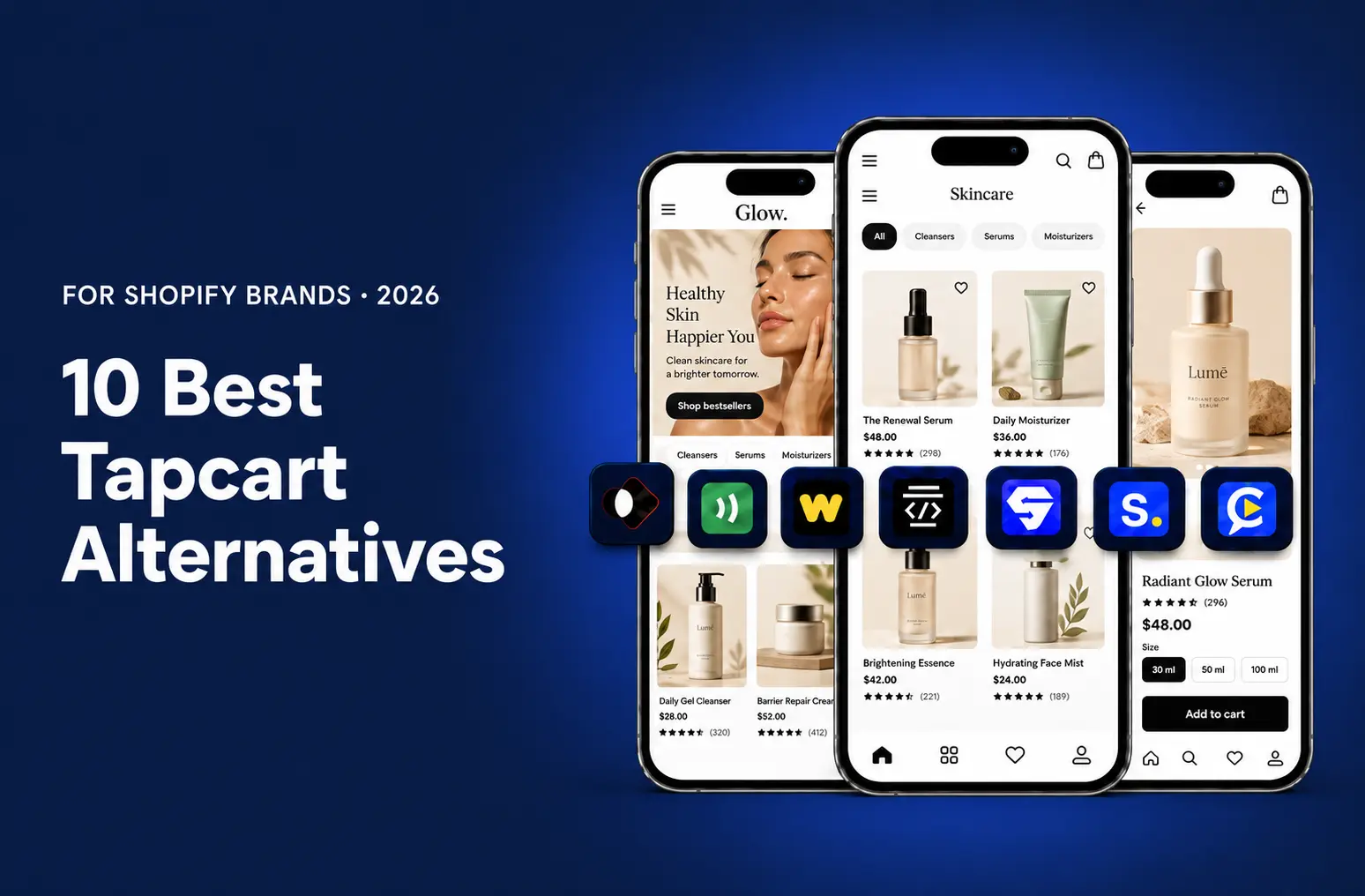
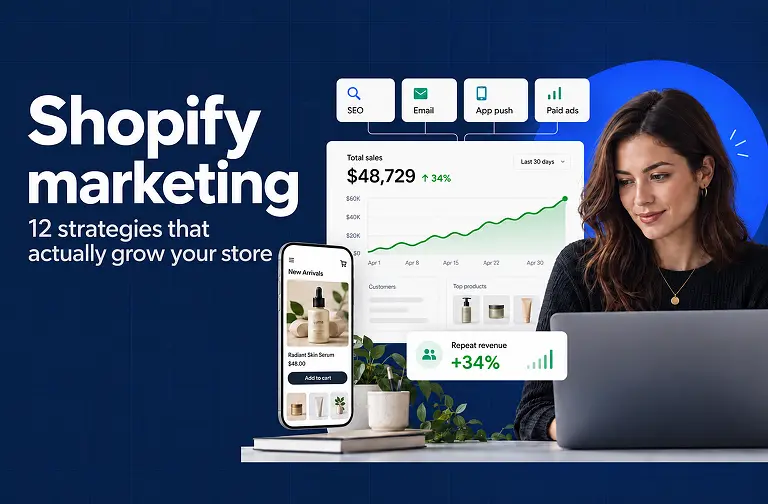
Learn to identify the signs when your mobile-responsive store needs a Shopify mobile app to engage customers better, increase sales and grow your business.
Mobile shopping is bigger than ever. In fact, 79% of smartphone users have made a purchase using their phone in the last six months. And here’s the kicker—apps drive 3x more conversions than mobile websites.
Sure, your Shopify store is mobile-responsive. That’s great! But is it enough? Not quite. A mobile-friendly site adapts to different screen sizes, but it can’t match the seamless, fast, and personalized experience of a native app.
Think about it—how often do you buy from a brand that you love using your browser if you have the app?
Apps keep customers engaged with push notifications, easy checkout, and a better user experience. That’s why brands with both a mobile site and an app see higher sales and stronger customer loyalty.
If you’re serious about boosting revenue, having both isn’t an option—it’s a necessity. Let’s break down why.
The Limitations of Mobile Responsive eCommerce Store
A mobile-responsive Shopify store is essential, but it has its limits. While it ensures your website adapts to different screen sizes, it can’t match the seamless experience of a dedicated mobile app. Here’s why:
1. Slower Loading Speeds
Mobile sites rely on browsers, which means they take longer to load compared to apps. Even a one-second delay in load time can reduce conversions by 7%. Customers expect instant access—if your store lags, they might leave before making a purchase.
2. Browser Limitations
Mobile websites depend on browser performance, which varies based on the user’s device, internet speed, and settings. Features like autofill, saved preferences, and smooth navigation aren’t as optimized as they are in apps.
3. Less Engaging User Experience
Apps offer personalized experiences with push notifications, one-click checkout, and offline access. Mobile sites, on the other hand, can feel clunky. Every extra step—like logging in or re-entering payment details—creates friction that leads to cart abandonment.
4. Too Many Distractions
When shopping on a browser, users juggle multiple tabs, social media, and notifications. With an app, your store becomes a dedicated space, keeping customers focused and increasing conversions.
Key Benefits of Shopify Mobile Apps for Revenue Growth
Turning your Shopify store into a mobile app can significantly increase your revenue. With faster performance, seamless checkout, and powerful engagement tools, apps deliver a shopping experience that keeps customers coming back.
1. Push Notifications for Direct Engagement
Unlike mobile sites, apps let you send push notifications directly to your customers’ phones. Flash sales, new arrivals, abandoned cart reminders—these instant alerts grab attention and drive action. Studies show that push notifications can increase retention rates by 88% and increase conversions significantly.
2. Faster Loading for Seamless Shopping
Apps load instantly because they store data on the user’s device. Unlike websites that rely on browser processing and internet speed, apps deliver a smooth, uninterrupted shopping experience. And because your customer won’t face any lags or interruptions in their impulse shopping flow, the sale will be through. This brings more revenue for you.
3. Offline Shopping Capabilities
Apps don’t always need an internet connection. Customers can browse saved products, view their cart, or even add items while offline. Once they reconnect, purchases sync automatically. This keeps them engaged, even when their Wi-Fi or data signal is weak.
4. Simplified Checkout with Stored Payment Info
A major reason for cart abandonment is a complex checkout process. You need your checkout to be frictionless to maximize the chances of conversion and reduce abandoned carts. Shopify mobile apps solve this by storing customer payment details securely. With Apple Pay, Google Pay, and saved credit cards, users can check out in one tap.
5. Use of Native Device Features
Apps integrate with smartphone features like the camera, GPS, Face ID, and fingerprint scanning. This enables advanced shopping experiences like:
- AI skin analysis for beauty brands (here’s how Minimalist got more conversions with it)
- Augmented Reality (AR) try-ons for fashion and accessories
- One-click login and checkout with biometric authentication
These seamless interactions make shopping more engaging and hassle-free.
6. Increased Customer Retention with Home Screen Presence
When your app lives on a customer’s home screen, your brand stays top of mind. Unlike a website that requires users to search or type in a URL, your brand is just one tap away with an app on the homescreen. The result? More frequent visits, more impulse purchases, and stronger brand loyalty.
7. Personalized Shopping Experiences
Apps track customer preferences, purchase history, and browsing behaviour. This allows for AI-driven recommendations, tailored discounts, and customised push notifications—making shopping feel personal and engaging.
8. Enhanced Customer Loyalty Programs
Loyalty programs are easier to manage in apps. Customers can collect points, redeem rewards, and track their status—all within the app. You can even offer a gamified experience, where they get points that can be redeemed on purchases. This encourages repeat purchases and long-term engagement.
9. Better Data and Insights
With an app, you get deeper analytics on user behavior. Track session times, abandoned carts, and purchasing patterns to fine-tune your marketing strategy and boost revenue.
The Complementary Nature of Apps and Responsive Sites
A Shopify mobile app isn’t a replacement for a mobile-responsive site—it’s a complement. Both serve different purposes in the customer journey, working together to improve engagement and conversions.
Here’s how they fit into your overall mobile commerce strategy.
1. How They Work Together in the Customer Journey
Customers interact with your brand in different ways at different stages. A mobile-responsive site is crucial for discovery and first-time visits, while an app keeps loyal customers engaged and coming back.
- First-time visitors often land on your store via Google search, social media, or ads. A well-optimized mobile site ensures they have a smooth browsing experience.
- Returning customers who love your brand will prefer the speed and convenience of an app, where they can access stored preferences, past orders, and exclusive offers instantly.
- Loyal shoppers benefit from features like push notifications, in-app discounts, and a personalized shopping experience that keeps them engaged long-term.
By offering both a mobile site for reach and an app for retention, you cover every stage of the customer journey.
2. Different Use Cases for Each Platform
While both platforms enable shopping, they serve different purposes:
Mobile-Responsive Sites:
- Best for attracting new visitors through SEO and ads
- Essential for customers who prefer browsing without downloading an app
- Great for quick, one-time purchases
- Supports social media referrals and email marketing traffic
Shopify Mobile Apps:
- Ideal for repeat customers who buy regularly
- Offers a faster, more seamless experience with stored payment info
- Enables deeper engagement through push notifications
- Enhances loyalty with personalized shopping experiences
Having both ensures that every type of customer has a frictionless way to shop.
3. Cross-Platform Marketing Opportunities
With both an app and a mobile eCommerce store, you can create a 360-degree marketing strategy that moves customers seamlessly between platforms.
- Use your website to promote your app, encouraging visitors to download it for exclusive deals and a better experience.
- Use push notifications to bring app users back when there’s a sale, abandoned cart, or new collection drop.
- Leverage customer data from the app to create personalized email and SMS campaigns that drive sales on both platforms.
By integrating both channels, you create a cohesive shopping experience that boosts engagement, retention, and revenue.
How to Implement a Shopify Mobile App for Your eCommerce Business?
Launching a Shopify mobile app doesn’t have to be complicated. With the right approach, you can build an app that enhances customer experience and drives revenue. Here’s how to get started:
1. Options for Creating a Shopify Mobile App
You have two main options:
- Shopify Mobile App Builders: No-code or low-code platforms let you quickly turn your store into an app. These are cost-effective and work well for almost every business.
- Custom Development: Hiring developers gives you full control over features and branding, but it requires more time and a larger budget.
2. Cost Considerations and ROI
App builders typically start at $50–$500/month, while custom apps can cost $10,000+ upfront. However, apps boost repeat purchases, conversion rates, and customer retention, leading to higher revenue over time.
3. Timeline and Resource Planning
App builders can launch in a few weeks. But if you decide to go for custom development, you might have to wait for 3–6 months — and then be ready to deal with bugs and ongoing maintenance. You might also have to set up additional resources for marketing and customer support to ensure long-term success.
Best Practices for eCommerce App Success
Building a Shopify mobile app is just the first step—getting customers to download and use it is key. Here’s how to drive adoption and maximize sales through your website:
- Promote the App on Your Homepage: Add banners, pop-ups, or a sticky bar with a “Download Our App” CTA.
- Offer Exclusive App-Only Discounts: Encourage downloads with special deals or early access to sales.
- Use Smart App Banners: Show a non-intrusive app install prompt when mobile visitors browse your site.
- Leverage Email & SMS Marketing: Send reminders about app benefits and special promotions.
- Simplify the App Download Process: Add direct links to Google Play & App Store on product pages and checkout.
- Encourage In-App Engagement: Use push notifications for abandoned carts, price drops, and new arrivals.
Also Read: Launch Checklist to 2X your eCommerce App Installs
With the right strategy, your app will become a high-converting sales channel that drives repeat business.
Conclusion
A mobile-responsive Shopify store is essential, but it’s not enough to increase revenue.
A mobile app loads faster, converts better, and keeps customers engaged with push notifications, seamless checkout, and personalized experiences. Apps also improves customer retention by staying on their home screen, making repeat purchases effortless.
By combining a mobile-friendly website with a high-converting app, you create a powerful eCommerce ecosystem that captures new shoppers and keeps loyal customers coming back.
Ready to take your Shopify store to the next level? See how a mobile app can complement your site, increase conversions, and drive long-term revenue growth. Book an Appbrew demo today!
Appbrew delivers a true native app with 3x the conversion rate of a mobile-responsive site.